Your tyres play a major role in how safely your car handles, brakes, and grips the roads in different conditions. When your tyres start to wear out, your safety can be affected long before a complete flat tyre or blowout happens.
The good news is that your tyres often show clear warning signs before they need replacing. Knowing what to look for can help you act early, avoid bigger problems, and keep your car performing the way it was intended to.
In this guide, we’ll walk through four common warning signs your tyres may need replacing, explain how your driving habits can affect tyre life, and outline what to expect from a professional tyre service.
Why Healthy Tyres Are Essential for Safe Driving
Your tyres are one of the most important safety components on your vehicle. If your tyres are unevenly worn, damaged, or have low tread, your vehicle’s ability to stop quickly, corner safely, and maintain control in different weather conditions can all be affected
Healthy tyres help your car respond properly when you brake, steer, or accelerate. They also support better fuel efficiency and a smoother driving experience. Ignoring or overlooking your tyres’ conditions will build up higher risks over time, from longer stopping distances to poor handling and increased wear on other parts of the vehicle.
Regular tyre checks are a simple but important part of vehicle care. Pay attention to tread depth, visible damage, and how your vehicle feels on the road, which can help you spot issues before they worsen.
1. Worn or Low Tyre Tread
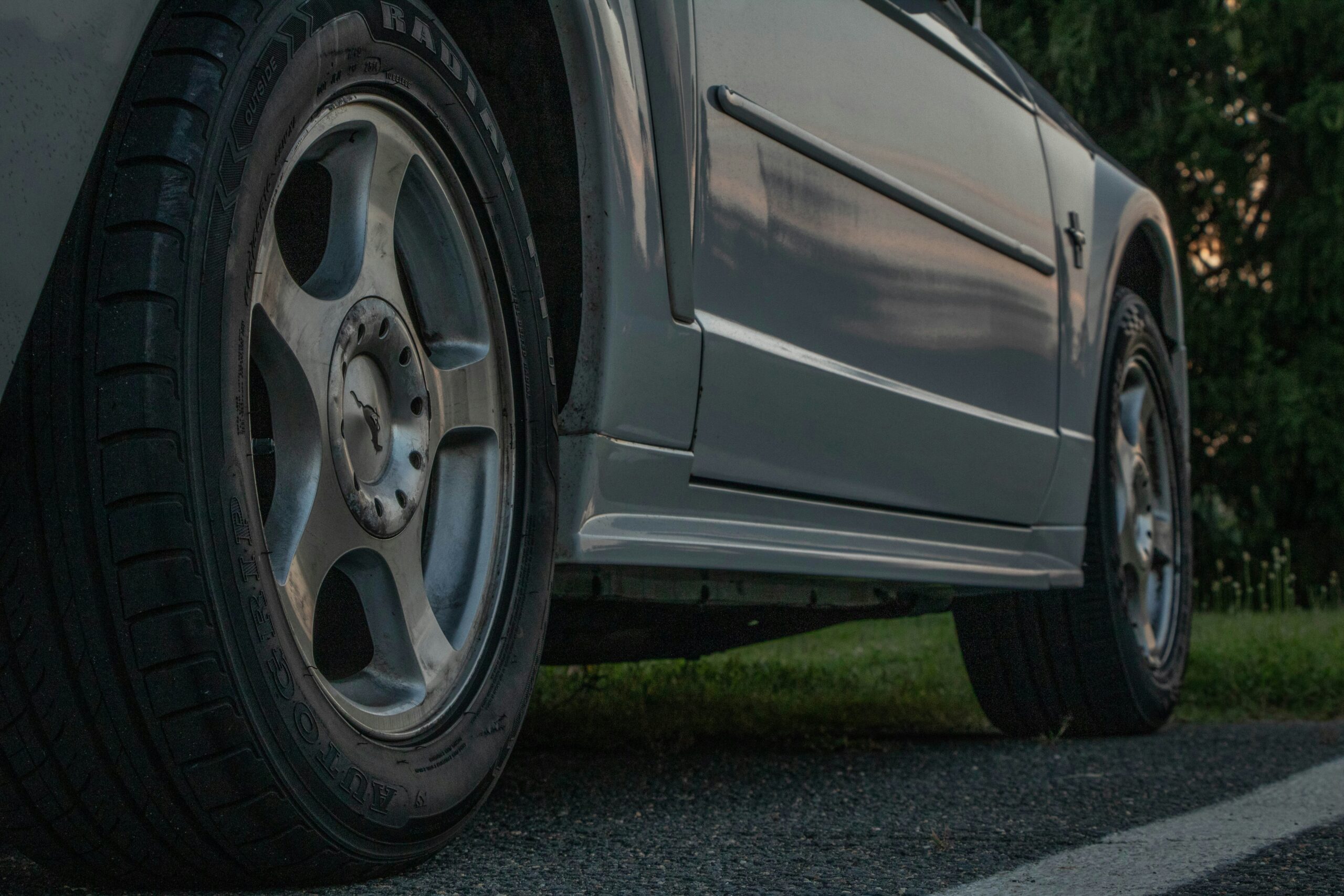
One of the clearest signs you may need a tyre replacement is worn or low tyre tread. The tread is the grooved rubber pattern on the surface of the tyre. Its job is to help the tyre grip the road and channel water away when driving in wet conditions.
As tyres wear down, the tread becomes shallower. This reduces traction and can make it harder for your car to stop safely, especially in the rain. Low tread can also increase the risk of aquaplaning (or hydroplaning), which happens when water builds up between the tyres and the road, causing the car to lose grip.
A simple way to check tread wear is to look for the built-in tread wear indicators in the tyres’ grooves. If the tread is nearly level with these markers, it may be time for a replacement.
2. Cracks or Damage on the Tyre Sidewall
Another common sign is visible cracking or damage on the tyre sidewall. The sidewall is the outer side section of the tyre, between the tread and the wheel rim. It helps support the tyre’s structure and absorb pressure while driving.
Sidewall damage can happen for several reasons. Hitting kerbs, driving over potholes, exposure to harsh weather, and general ageing can all weaken the rubber. Over time, this may lead to cracks, bulges, cuts, or splits.
Unlike some tread issues, sidewall damage is not something you can ignore. A damaged tyre sidewall can weaken the tyre and increase the risk of sudden failure, particularly at higher speeds or under heavy loads. In many cases, sidewall damage cannot be safely repaired, and a full tyre replacement is the safest option.
If you notice anything unusual on the side of your tyre, it’s best to have it checked as soon as possible.
3. Uneven Tyre Wear
Tyres should wear down evenly over time. If one part of the tyre is wearing faster than another, it can be a sign that something else is affecting the way the tyre meets the road.
Uneven tyre wear is often caused by incorrect tyre pressure, poor wheel alignment, worn suspension components, or failure to rotate the tyres regularly. You might notice the inside edge, outside edge, or centre of the tyre wearing faster than the rest.
This type of wear can reduce traction and shorten the life of your tyres. It can also make your car less stable to drive and increase road noise. In some cases, uneven wear can affect fuel efficiency because the tyres are no longer rolling as smoothly as they should.
Catching uneven wear early gives you the chance to fix the underlying issue before it causes more damage. During a professional tyre inspection, a technician can check the wear pattern and recommend whether you need a rotation, alignment, suspension check, or tyre replacement.
4. Vibrations or Changes in Handling
If your car suddenly feels different to drive, your tyres may be trying to tell you something. Vibrations through the steering wheel, shaking at certain speeds, or a noticeable change in handling can all point to tyre-related issues.
Sometimes, vibrations are caused by unbalanced wheels. In other cases, they may be linked to damaged tyres, uneven wear, or internal tyre faults that are not always visible from the outside. If the car feels like it’s pulling to one side, or the steering feels less stable than usual, it could also indicate a problem with tyre condition or alignment.
While vibrations don’t necessarily mean you have to get your tyres replaced immediately, it’s a warning sign worth investigating. Driving for too long with damaged or badly worn tyres can affect comfort, handling, and safety, especially in emergency braking situations.
Driving Habits That Extend Tyre Life
Tyres naturally wear over time, but the way you drive can make a big difference to how quickly that happens. Smoother driving habits can help your tyres last longer and perform better.
Harsh braking and rapid acceleration place extra strain on the tread, causing it to wear faster. Taking corners too quickly can also increase wear on the edges of the tyre. Where possible, it helps to accelerate gently, brake progressively, and take turns at a steady speed.
Road conditions matter too. Potholes, rough roads, and regularly bumping kerbs can all damage your tyres and wheels. Staying alert and avoiding road hazards where you can will reduce unnecessary wear.
It’s also important to check tyre pressure regularly. Tyres that are underinflated or overinflated do not wear evenly and won’t work properly. Combined with routine servicing, these small habits can go a long way in helping your tyres last longer.
What to Expect From A Professional Tyre Replacement Service
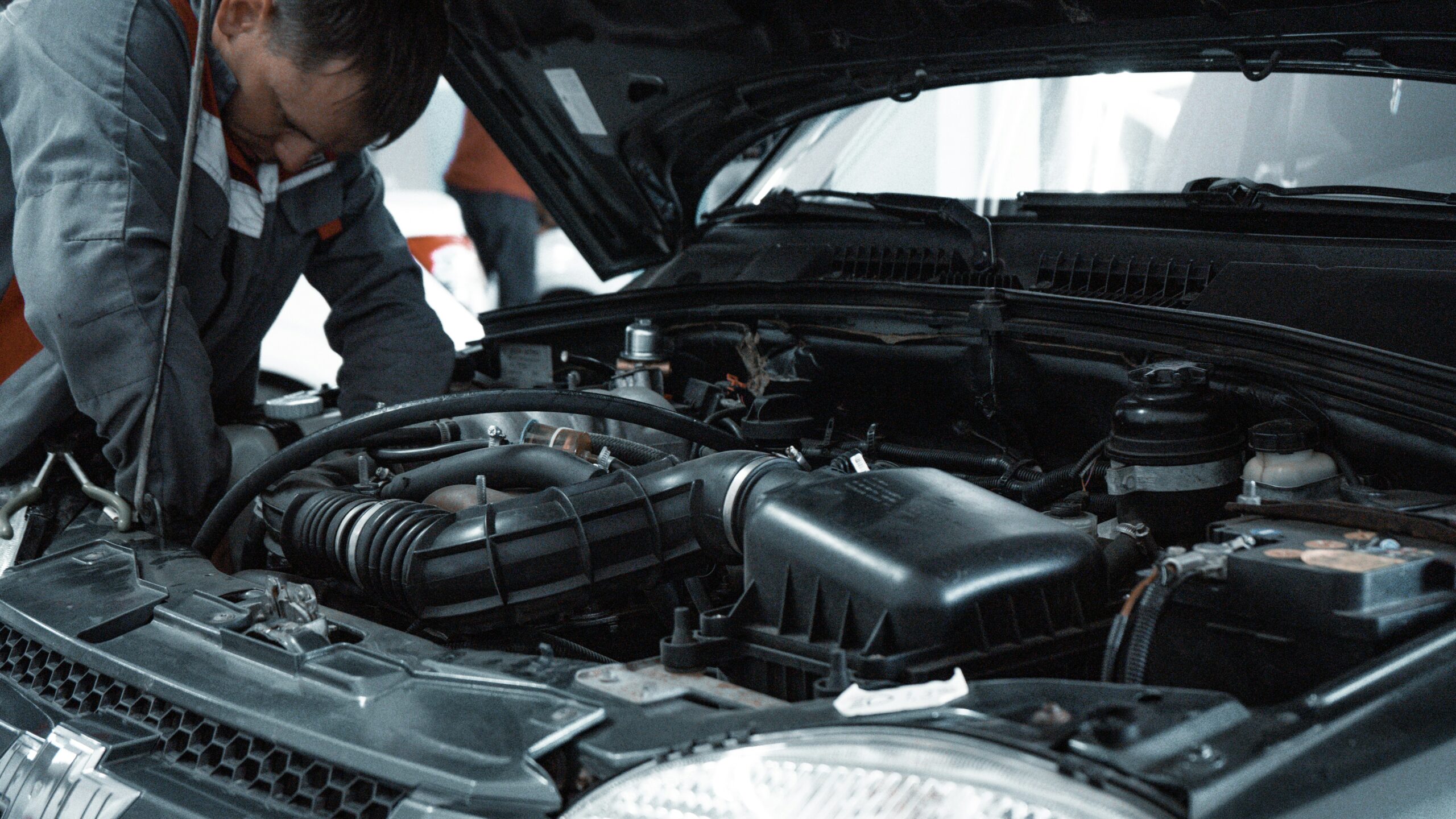
If your tyres are worn or damaged, a professional replacement service can help ensure your car remains safe and roadworthy. During a tyre service, the technician will inspect the overall condition of your tyres, including tread depth, sidewall condition, and any signs of uneven wear.
If replacement is needed, they will help ensure the new tyres are suitable for your vehicle and fitted correctly. This may also include wheel balancing to help the tyres rotate evenly and smoothly. In some cases, an alignment check may be recommended, especially if the old tyres showed unusual wear patterns.
Professional fitting matters because tyres need to be installed correctly to deliver the grip, braking performance, and comfort your car was designed for. Replacing worn tyres without addressing related issues like wheel alignment or suspension wear can mean the new tyres wear out more quickly than they should.
Stay Safe on the Road With Ultra Tune
Your tyres play a major role in keeping you safe behind the wheel, so it’s worth paying attention when they start showing signs of wear or damage. Low tyre tread, sidewall damage, uneven wear, and changes in handling are all warning signs that shouldn’t be ignored.
At Ultra Tune, our team can inspect your tyres, identify any issues, and recommend the right next steps to keep your vehicle safe and performing at its best. Whether you need a tyre check, replacement, or full vehicle inspection, our team is here to help.
If you think your tyres may be due for inspection, book a service or find your nearest Ultra Tune service centre today. Taking action early can help you avoid bigger problems down the track and give you greater confidence every time you get on the road.