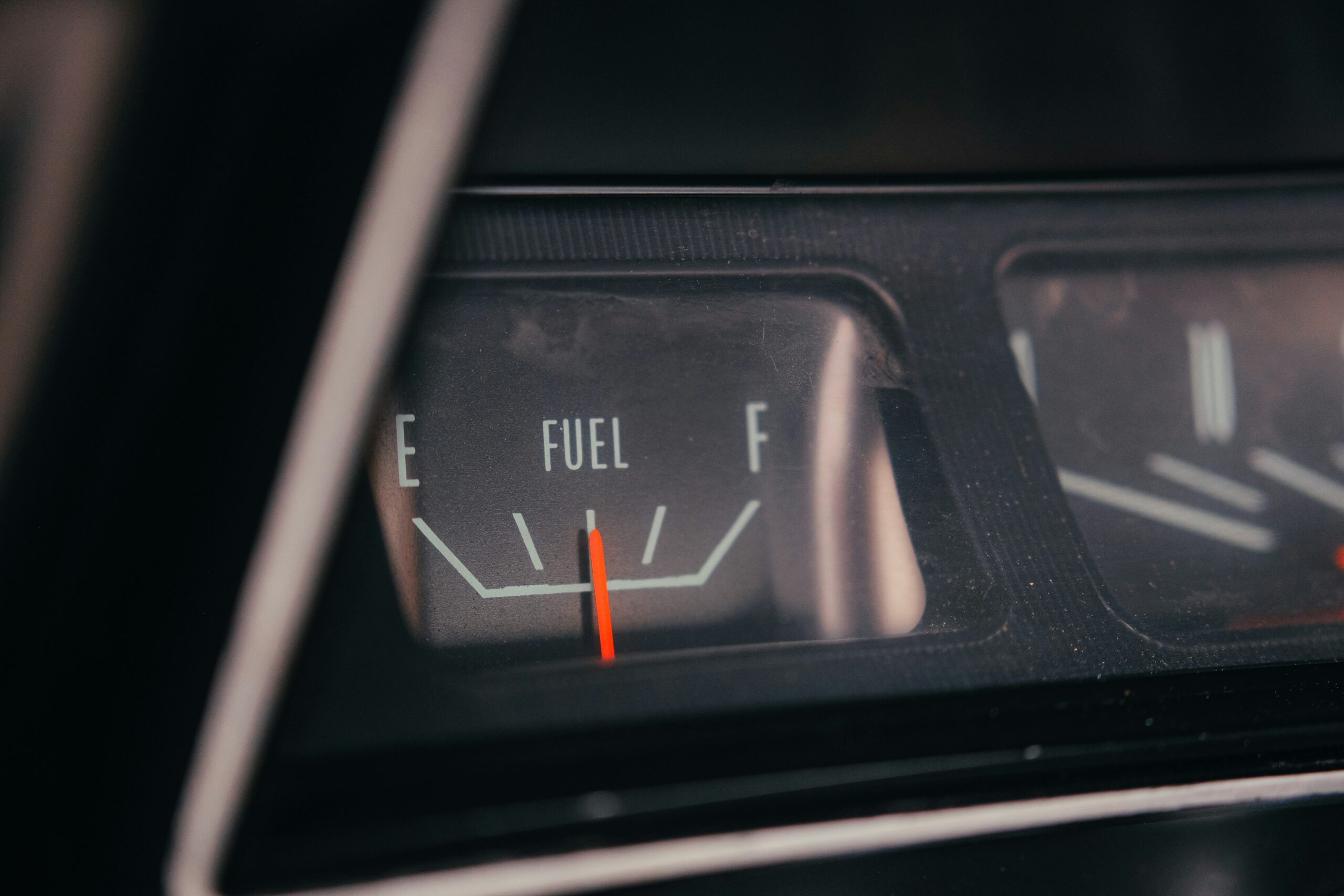
Fuel costs can quickly add up, especially if your car isn’t running as efficiently as it should. While many drivers assume high fuel consumption is simply a normal part of owning a car, the truth is that several factors can significantly affect your fuel consumption and overall fuel economy.
From tyre pressure to driving habits, small issues can force your engine to work harder and burn more fuel than it needs to. The good news is that many of these problems are easy to identify and fix with regular car maintenance.
In this guide, we’ll walk through five common issues that can impact fuel consumption and explain what you can do to keep your car running efficiently.
Why Fuel Consumption and Fuel Economy Matter More Than You Think
Fuel consumption refers to how much fuel your car uses over a certain distance, usually measured in litres per 100 kilometres. Fuel economy describes how efficiently your car converts fuel into distance travelled.
When your fuel economy drops, your car uses more fuel to travel the same distance. This not only increases your fuel costs, but it can also place additional strain on your car’s engine and components.
Improving fuel efficiency isn’t just about saving money at the petrol station. A well-maintained car typically runs smoother, produces fewer emissions, and experiences less wear over time. By understanding the factors that influence fuel consumption, you can make smarter decisions about how you drive and maintain your car.
Incorrect Tyre Pressure
Tyres play a bigger role in fuel efficiency than many drivers realise. When they aren’t properly maintained, they can significantly increase your car’s fuel consumption.
One of the most common issues is incorrect tyre pressure. When tyres are underinflated, they create more rolling resistance on the road. This means your engine has to work harder to move the vehicle forward, which uses more fuel. Even slightly low tyre pressure can reduce your vehicle’s fuel economy and lead to higher fuel costs over time.
Overinflated tyres can also cause problems down the road. While they may reduce rolling resistance slightly, they can lead to uneven tyre wear and reduced grip on the road, which can affect handling and safety.
Uneven Tyre Tread
Another factor that affects fuel efficiency is uneven tyre tread. When tyres wear unevenly, they do not make consistent contact with the road surface. This can increase drag and make the engine work harder to maintain speed. Uneven tread is often caused by poor wheel alignment, suspension issues, or simply neglecting regular tyre rotations.
Checking your tyre pressure regularly and inspecting the tread for uneven wear are simple habits that can improve fuel economy. If you notice unusual wear patterns or your car feels less stable when driving, it may be time to have your tyres and alignment checked during your next service.
Dirty or Low Engine Oil
Your car’s engine contains many moving parts that rely on proper lubrication to function smoothly. Engine oil plays a vital role in reducing friction between these components. When the oil becomes dirty, old, or too low, it can no longer lubricate the engine effectively.
As friction increases, the engine has to work harder to produce the same level of performance. This extra effort leads to increased fuel consumption and can also accelerate wear on internal components.
Regular oil changes are one of the most important steps in maintaining good fuel economy. Fresh engine oil allows the engine to operate smoothly and efficiently, reducing unnecessary strain and helping your car get the most out of every litre of fuel.
Clogged Air Filters or Fuel System Issues
For an engine to run efficiently, it needs the right balance of air and fuel during combustion. The air filter plays a key role by preventing dirt and debris from entering the engine while still allowing enough airflow for proper combustion.
When the air filter becomes clogged, the engine may struggle to get the air it needs. As a result, it compensates by burning more fuel, reducing fuel economy.
Similarly, problems within the fuel system, such as blocked fuel injectors or restricted fuel lines, can disrupt the engine’s ability to deliver fuel efficiently. These issues can cause the engine to consume more fuel than necessary.
Routine inspections during general servicing or with specialised air conditioning services can identify these issues early, helping maintain efficient engine performance.
Worn Spark Plugs or Ignition Components
Spark plugs play an essential role in the combustion process. They ignite the air-fuel mixture in the engine’s cylinders, creating the power needed to move your vehicle.
Over time, spark plugs wear down and may not ignite the mixture as effectively. This can lead to incomplete combustion, meaning some fuel is wasted rather than being converted into usable energy.
When spark plugs or other ignition components are worn, your engine may use more fuel to compensate for the loss in efficiency. Replacing worn spark plugs during routine servicing helps restore optimal engine performance and improves fuel economy.
Driving Habits That Increase Fuel Consumption
While mechanical issues can affect fuel efficiency, driving habits also play a significant role in how much fuel your car uses.
Aggressive acceleration, sudden braking, and high speeds can all increase fuel consumption. When you accelerate quickly, the engine demands more fuel to generate power. Similarly, frequent stop-start driving can limit fuel economy because the engine has to repeatedly work harder to get the car moving again.
Other habits, such as carrying unnecessary weight in the car or idling the engine for long periods, can also impact fuel efficiency.
Adopting smoother driving habits can make a noticeable difference. Gradual acceleration, maintaining steady speeds, and careful driving to avoid sudden braking can all help improve your car’s fuel economy.
How Regular Car Servicing Helps Improve Fuel Economy
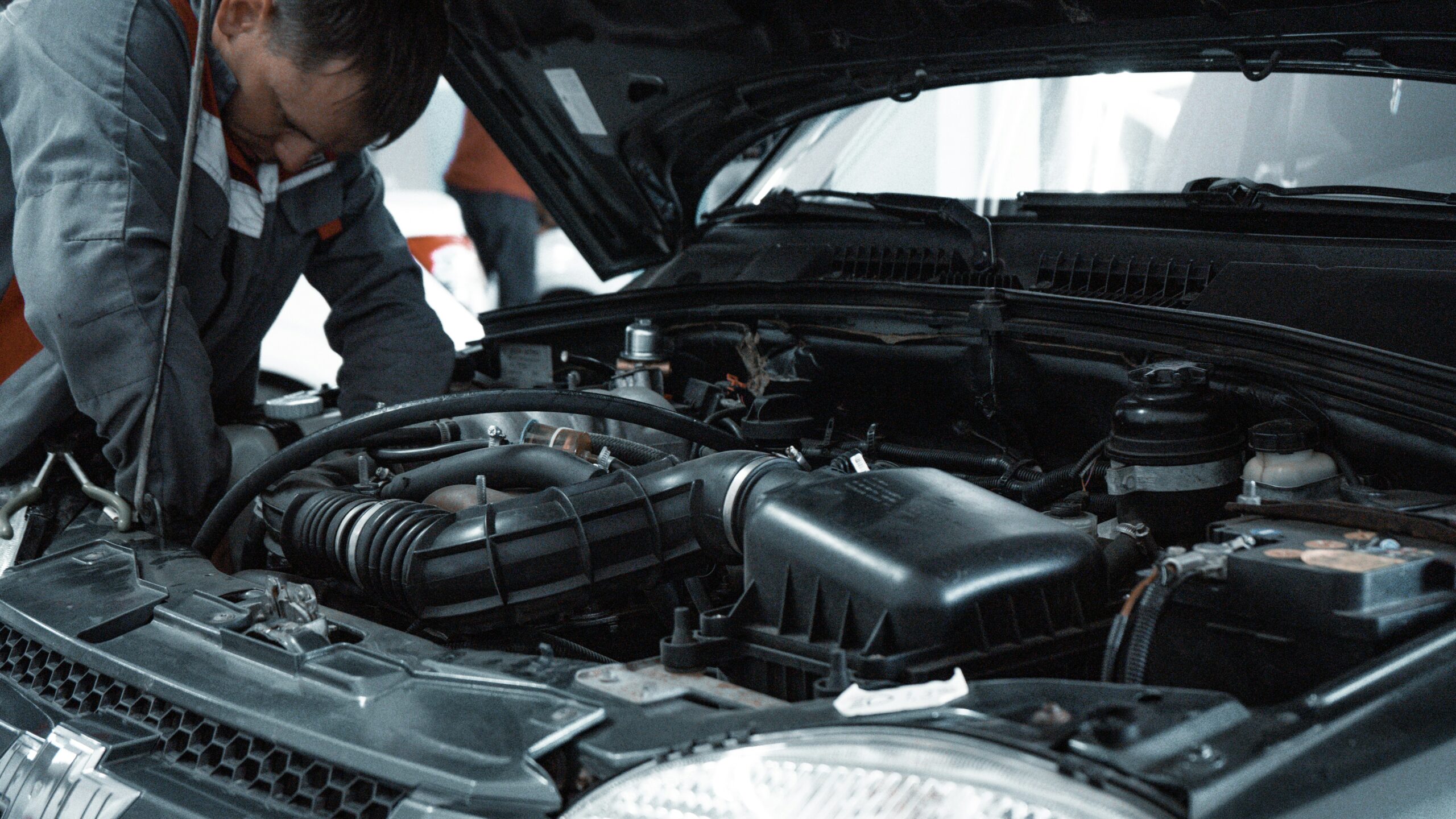
Many of the issues that affect fuel consumption can be prevented through routine servicing. A professional car service ensures that key components such as filters, spark plugs, fluids and engine systems are checked and maintained.
Regular car maintenance helps identify problems early before they begin affecting performance or fuel efficiency. By keeping your car in good condition, you allow the engine to operate at its intended efficiency level.
During servicing, technicians can also check tyre conditions, inspect fluid levels, and ensure the engine is running smoothly. These small adjustments can have a noticeable impact on fuel economy over time.
Take Control of Your Fuel Economy with Ultra Tune
Managing fuel consumption doesn’t have to be complicated. By keeping your car well-maintained and adopting efficient driving habits, you can reduce fuel usage, lower running costs, and improve overall performance.
At Ultra Tune, our team of experienced technicians helps drivers stay on top of their car’s maintenance so it runs efficiently and reliably. From engine inspections to routine servicing, we’re here to ensure your car is performing the way it should.
If you want to improve book a service or visit your nearest Ultra Tune service centre today. Regular servicing can help you save fuel, reduce wear on your engine, and keep your car performing well for the long run.