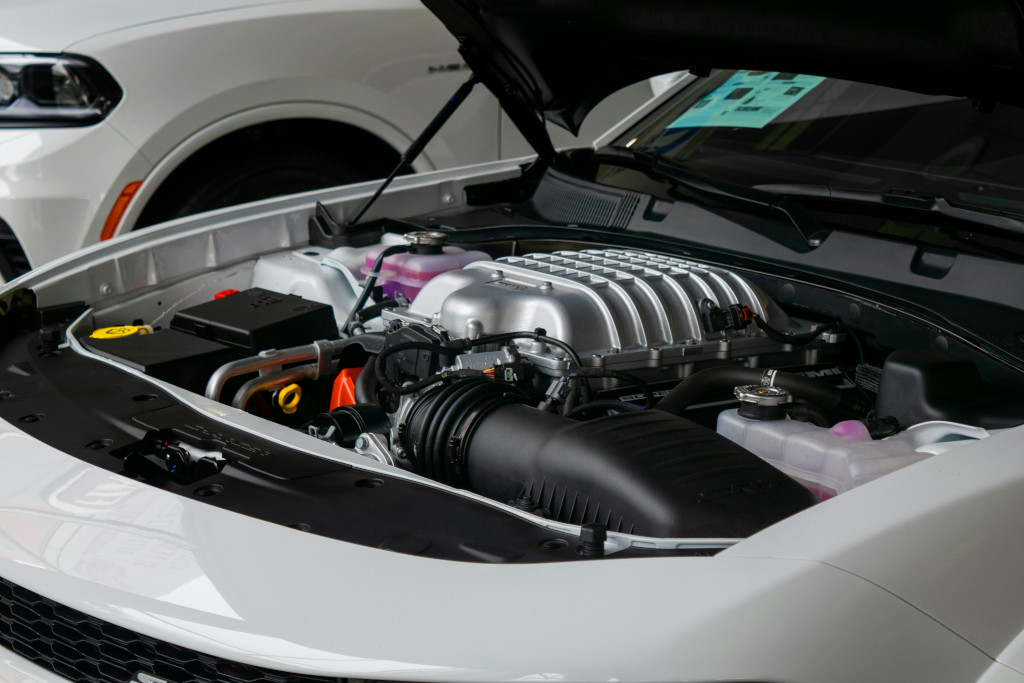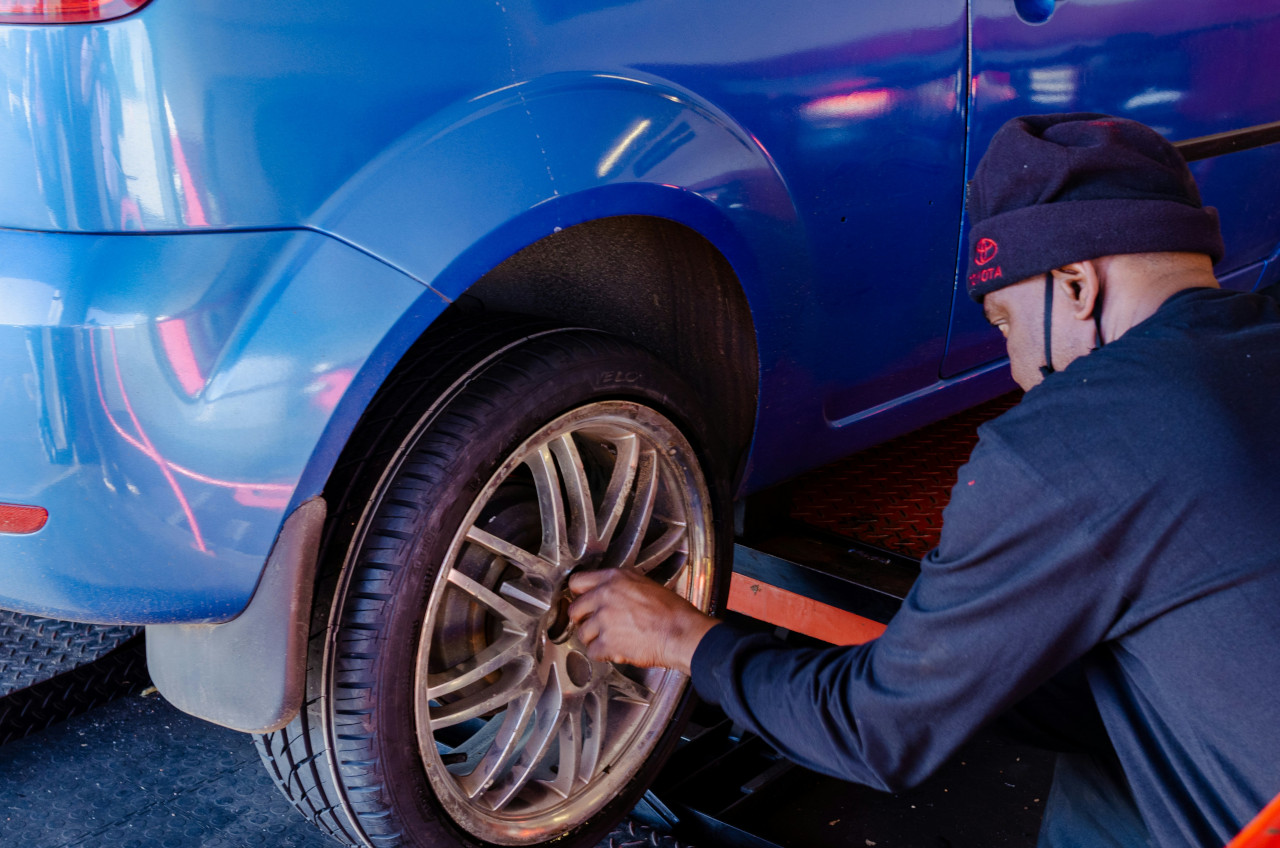
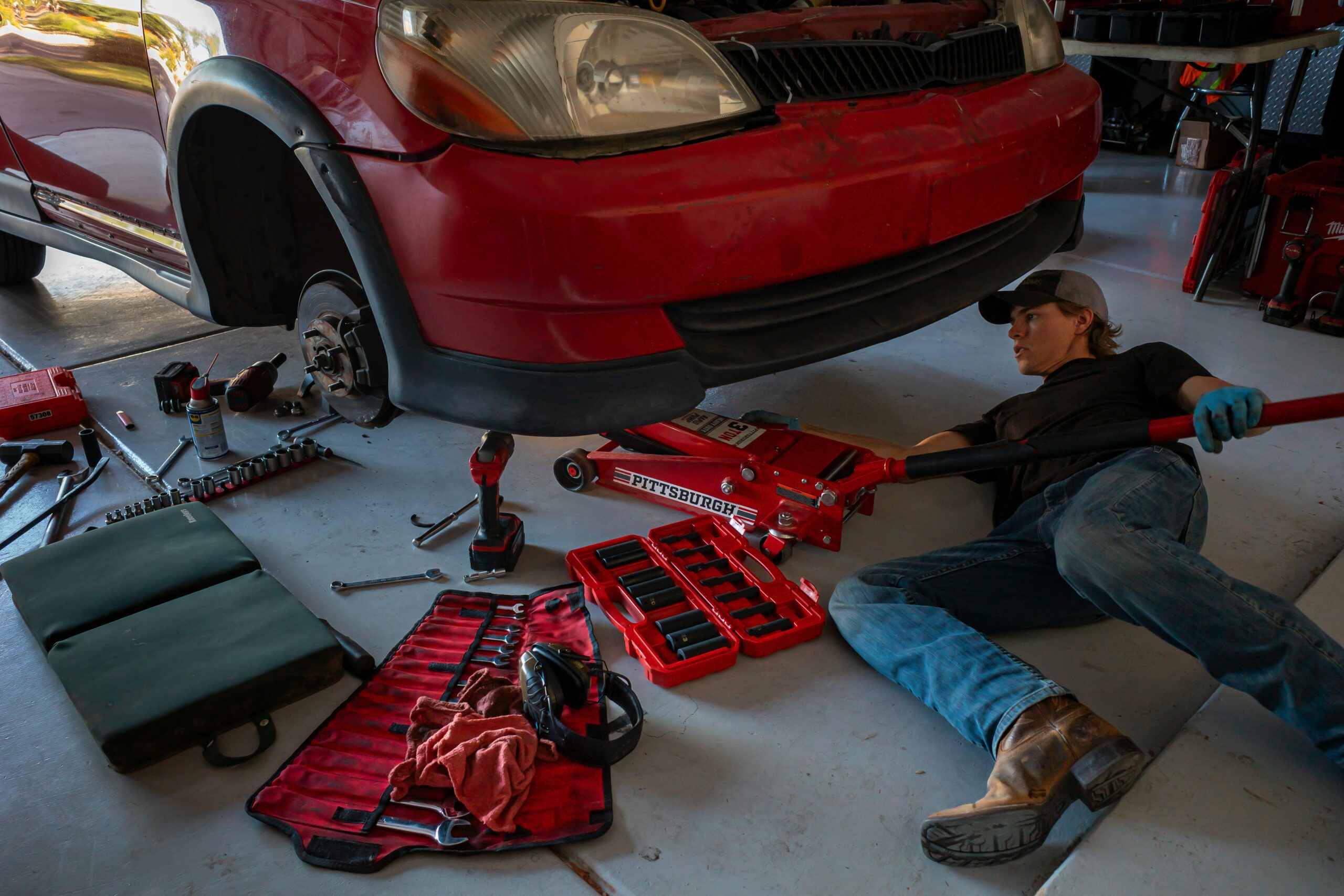
Keeping up with your car service schedule is one of the simplest ways to protect your car, avoid mechanical failures, and keep repair costs under control. But for most drivers, the question isn’t if servicing matters. It’s how often you should service your car.
The answer depends on a few factors, including your car’s age, how often you drive, the road conditions you drive in, and the type of service your car needs. Some cars follow a strict manufacturer schedule, while others may need more regular attention depending on wear and tear.
In this guide, we explain how often most cars should be serviced, what is included in a car service, the different service types available, and what can happen if you leave it too long between mechanical repairs.
What Types of Car Service Are Available?
Not all car services are the same. The right service for your car depends on its age, warranty status, service history, and overall condition.
A logbook service is designed for cars that follow the manufacturer’s recommended service schedule. This type of service follows the instructions set out in your car’s logbook and is completed at specific kilometre or time intervals. It’s especially important for newer cars to protect their warranty coverage and keep your service history up to date.
A general car service is more flexible and is commonly used for cars that aren’t under warranty or require routine maintenance between major services. This usually focuses on essential checks and replacements to keep your car safe and running smoothly.
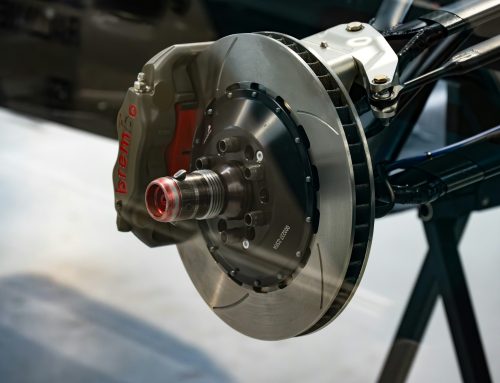
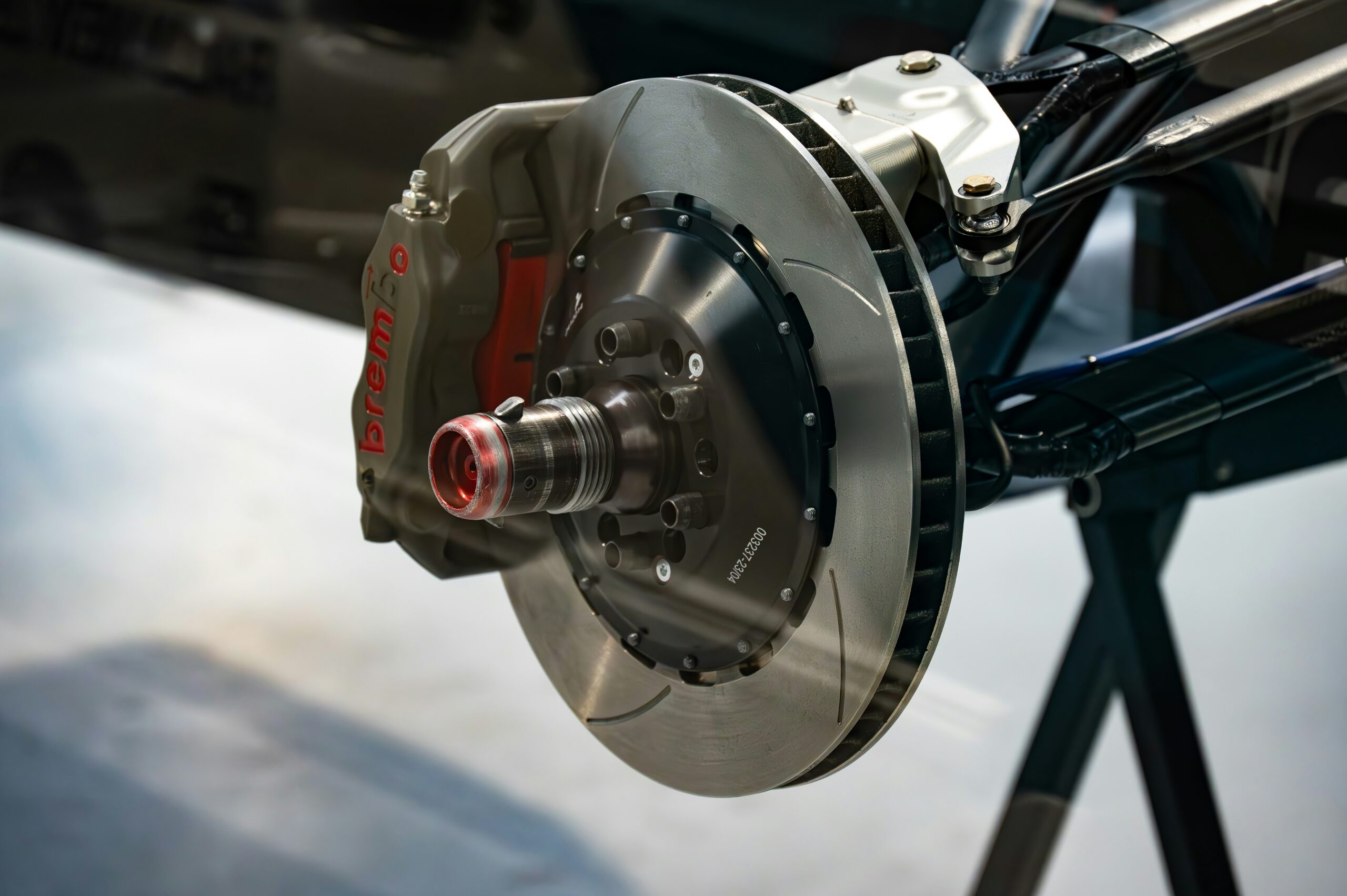
There are also cases where a car may need a more specific car repair rather than routine servicing. This might include replacing worn brake components, fixing suspension issues, repairing a cooling system fault, or correcting the wheel alignment. In other words, servicing is about prevention, while repairs are usually needed when a car part has gone wrong or is beginning to fail.
What Are The Typical Service Intervals?
As a general rule, most cars should be serviced every six months or 10,000 kilometres, whichever comes first. Some newer cars may have longer intervals, such as 12 months or 15,000 kilometres, depending on the manufacturer’s recommendations.
The best place to check is your owner’s manual or service logbook. This will tell you the recommended schedule for your make and model. If you’re unsure, a qualified technician can help you work out the best servicing plan for your car.
It’s also worth remembering that service intervals aren’t always the same for every car. If you mainly take short trips, stop-start driving in the city, tow loads, or regularly drive in harsher weather conditions, your car may need to be serviced more often. These driving conditions can place more stress on your engine, brakes, fluids, and tyres.
Signs Your Car May Be Due for a Service Sooner
Even if you have not yet reached your next scheduled interval, your car may show signs of needing attention sooner.
One of the most common signs is a change in how the car feels to drive. This might include rough idling, sluggish acceleration, unusual vibrations, or trouble starting. You may also notice warning lights lit on the dashboard, reduced fuel efficiency, squealing brakes, or unusual noises coming from under the bonnet.
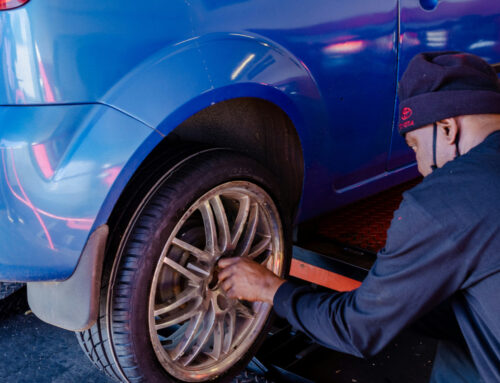
Fluid leaks are another sign that your car should be checked as soon as possible. Oil, coolant, or brake fluid leaks can lead to bigger problems if ignored. Likewise, if your steering feels different or your tyres are wearing unevenly, it may point to an issue that needs servicing or repair.
What Happens If You Miss A Car Service?
Missing a service may not seem like a big deal at first, especially if your car drives without any noticeable issue. However, delaying maintenance can lead to bigger issues over time.
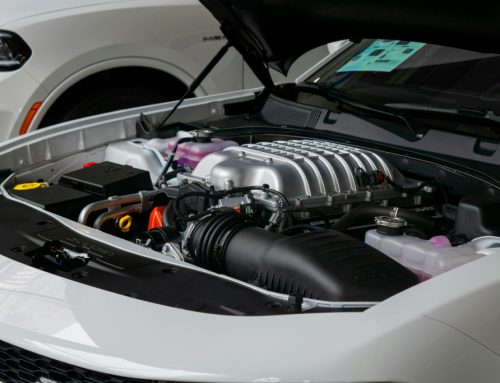
When you miss oil changes, the engine oil becomes dirty and less effective in lubricating internal components. This increases friction and wear inside the engine. If fluid levels are not checked regularly, you could end up with overheating, poor braking performance, or steering problems. Tyres may also wear unevenly if inspections are skipped, which can affect handling and fuel efficiency.
For newer cars, missing a logbook service can also create problems with warranty coverage and leave gaps in your service history. That can affect resale value and make it harder to prove the car has been properly maintained and serviced.
Book Your Next Car Service With Ultra Tune
Whether your car is due for a routine check-up, a logbook service, or if you’re starting to notice signs that something is not quite right, Ultra Tune is here to help.
Our experienced technicians can inspect your car, explain what it needs clearly without technical jargon, and carry out the right service to keep it running safely and smoothly. From routine maintenance to more involved car repair work, we offer practical support backed by decades of industry experience.
To keep your car in top condition, book a service or visit your nearest Ultra Tune service centre today. Staying on top of your servicing schedule now can help you avoid bigger problems later and keep your car ready for the road ahead.