When winter arrives, most drivers think about foggy mornings, wet roads, and slower starts. What often gets overlooked is how these colder, wetter conditions can affect your braking system. Your brakes work hard all year round, but in winter they can come under even more pressure.
Whether you’re driving through rain, dealing with slippery roads, or making more frequent stops in poor visibility, your brakes need to be in the best condition to keep you safe. If they’re worn out, the harsh winter conditions can make these problems more noticeable and dangerous.
Why Brake Services Matter More In Winter
Your brakes are one of the most important safety systems in your car. Every time you slow down or come to a stop, your braking system is working hard to keep you in control.
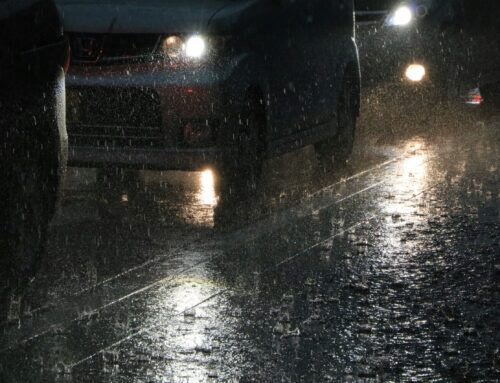
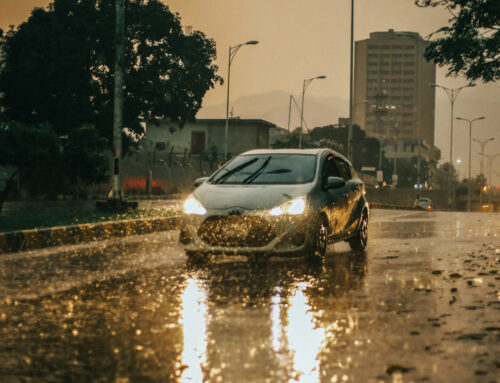
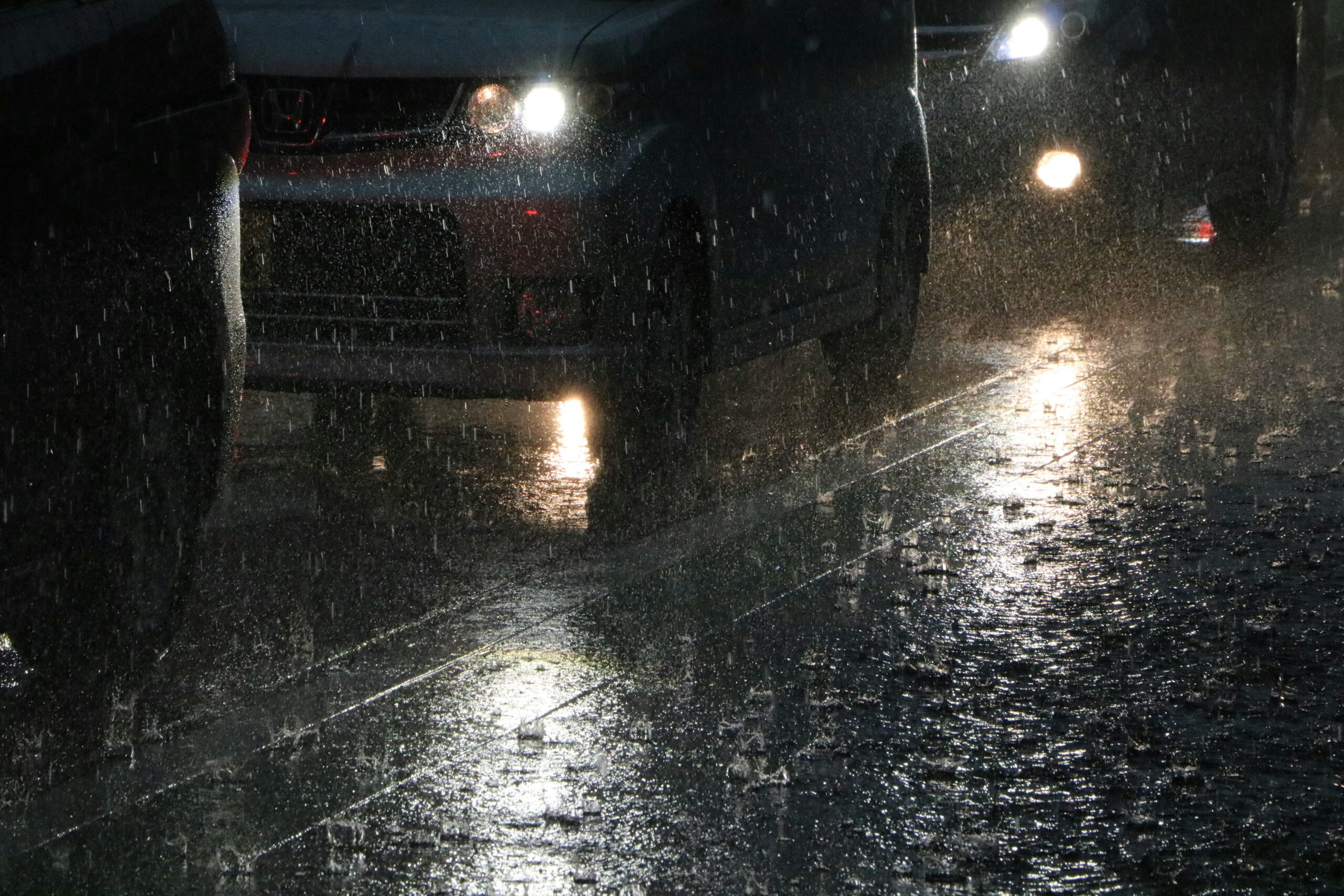
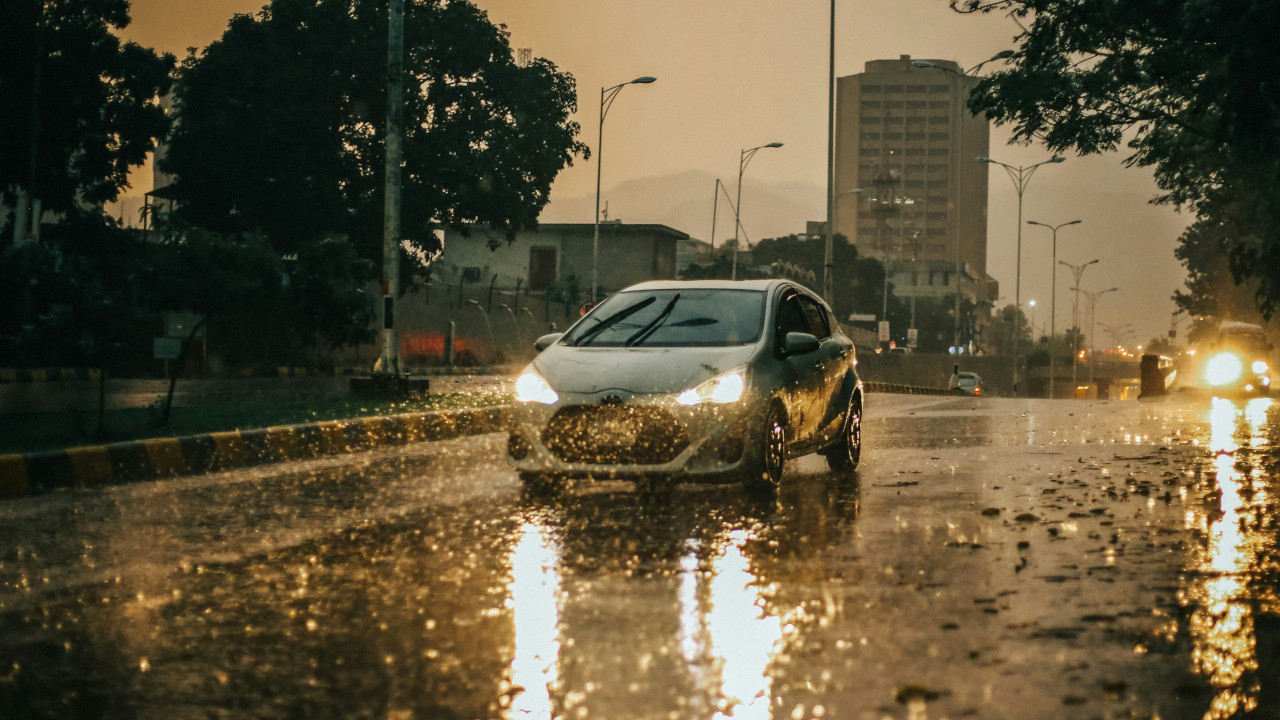
In winter, this becomes even more important to maintain. Wet roads will reduce tyre grip, which means you can take longer to stop. If your brakes are worn or not responding properly, that stopping distance can increase even more. This can make a real difference in an emergency, particularly with poor road conditions.
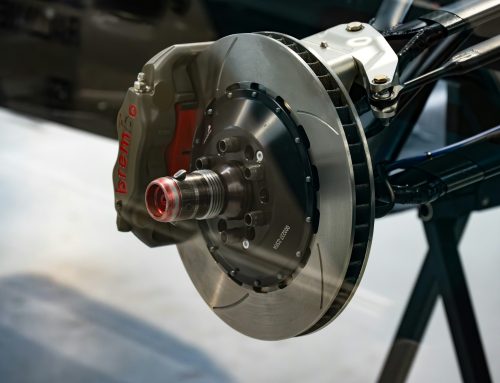
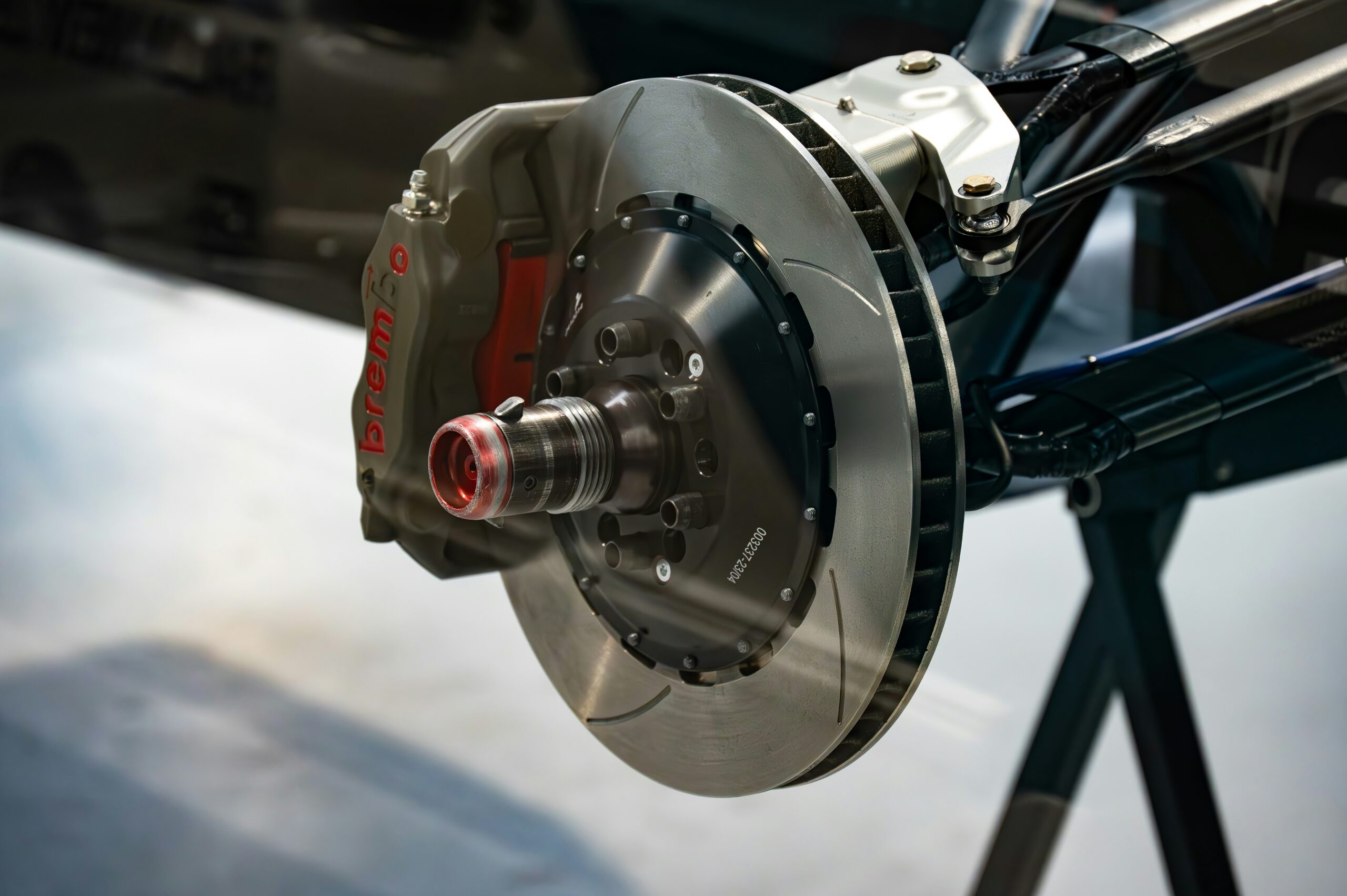
Regular brake services help ensure key components like your brake pads, rotors, and fluid are working properly. It also allows mechanics to spot early signs of wear before they turn into bigger issues.
How Winter Conditions Can Affect Your Brakes
The cold and wet conditions in winter won’t damage your brakes overnight, but it can place extra strain over time. Heavy rain and damp road conditions can reduce your tyres’ traction, making it more difficult for your tyres and brakes to work together efficiently. Colder temperatures can also affect brake fluid over time, which helps transfer the pressure from your foot on the pedal to the braking system itself.
Driving in winter can also affect your driving habits, especially if your car has stop-start technology. With higher risks involved when driving in these conditions, it can lead to more frequent braking, placing additional wear on the brake system.
Common Issues To Monitor During Winter
There are a few warning signs that can suggest your brakes need more attention. If you notice any of the following signs, it’s best to have your car checked sooner rather than later.
Squeaking Or Grinding Noises
One of the most common signs of brake trouble is unusual noises. A squeaking sound might mean your brake pads are beginning to wear down. In some cases, excessive moisture on the brakes can cause temporary squeaking, but if it persists, it might be due to worn brake pads.
Grinding noises indicate a more severe issue. It can suggest that the brake pads have worn down too far, where the metal backing is directly making contact with the rotor, causing the grinding noise. This won’t only reduce braking performance, but can quickly cause damage to other components, leading to more expensive brake repair work.
Reduced Braking Or Response
If your brakes feel slower to respond, require more pressure, or don’t feel as sharp as usual, that is a sign worth taking seriously. Reduced braking response can be caused by worn brake pads, issues with brake fluid, or other component wear within the system.
In winter, when road surfaces can already make stopping more difficult, reduced braking response is something you shouldn’t ignore. Even a small delay in braking can affect your ability to stop safely in wet or slippery conditions.
Vibrations When Braking
If you feel a vibration or pulsing through the brake pedal or steering wheel when you slow down, it may indicate uneven brake wear or a problem with the brake rotors. Vibrations can make the vehicle feel less stable and may suggest the system is not applying braking force evenly.
This can be more noticeable during winter if you find yourself braking more frequently or dealing with rougher road conditions. A professional inspection can identify the cause and help prevent further wear or damage.
Preventative Measures To Protect Your Brakes In Winter
The good news is that there are practical steps you can take to protect your brakes and prevent any damage during winter.
One of the most effective things you can do is drive more smoothly. Gentle braking, steady acceleration, and leaving more space between your car and the car ahead can all reduce strain on the braking system. Harsh braking increases wear, particularly on wet roads where the tyres have less grip.
It also helps to stay alert to changing road conditions. Slowing down earlier and braking gradually gives your car more time to respond safely. This is especially important on rainy days, in heavy traffic, or when driving before sunrise or after dark.
Regular inspections can make a big difference. Your tyres, wheel alignment and suspension all affect how well your car stops. If your tyres are worn or alignment is off, it can affect your car’s handling and braking performance.
Booking a brake inspection in the months leading up to winter is one of the best preventative steps you can take. A proper service can identify worn parts, check brake fluid condition, and make sure your system is ready for the colder months ahead.
Keep Your Brakes Safe This Winter With Ultra Tune
Driving in winter places greater importance on the condition of your braking system. Wet roads, reduced grip, and increased braking demands can all make worn or underperforming brakes more noticeable. That’s why having a professional mechanic inspect your brakes is a smart step for any driver looking to drive confidently and safely on the road.
At Ultra Tune, we know how important it is to keep your car safe, reliable, and ready to adapt to various weather conditions. Our experienced mechanics can thoroughly inspect your braking system, identify any signs of wear or damage, and recommend the right service and fixes to keep your car safe to drive this winter.
Taking preventative measures for your brakes can help you stay safer on the road and avoid bigger repair costs down the track. If you’re looking for specialised braking service, book a service today at your closest Ultra Tune service centre.