Your brakes are one of the most important safety features in your car. In every second you spend on the road, your car relies on the braking system to respond properly every time to keep you, your passengers, and other drivers safe on the road.
When something feels off, it can be hard to determine whether your car needs a brake service or a brake replacement. These terms are sometimes used interchangeably, but they do not always mean the same thing.
In simple terms, brake repair usually means fixing a specific issue within the braking system, while brake replacement involves removing worn or damaged parts and fitting new ones. The right option depends on the issue with your brakes, how worn out the components are, and whether the brake parts can still be safely restored.
In this guide, we’ll explain the differences between brake repair and brake replacement, what parts may be involved, common warning signs you need to look out for, and when it’s time to get your brakes checked by a mechanic.
Key Differences Between Brake Repair and Brake Replacement
The main difference between brake repair and brake replacement comes down to whether a component can be safely restored or if it needs to be replaced entirely. A repair may be suitable when a part is still in usable condition but needs attention. A replacement is needed when a part has worn beyond its safe limit, is damaged, or can no longer perform properly.
| Comparison Point | Brake Repair | Brake Replacement |
| Main purpose | Fixes a specific fault or issue | Replaces worn or damaged parts |
| Common examples | Brake fluid issues, calliper faults, minor rotor correction, brake line checks | Brake pad replacement or rotor replacement |
| When it is needed | When components can still be safely restored | When parts are too worn, damaged, unsafe or unreliable to use |
| Cost considerations | Depends on the severity, but generally ranges between $200 to $500 per axle | Depends on the specific parts required |
| Outcome | Restores the correct braking function | Restores braking performance with newly replaced components |
Both repair and replacement can play an important role in keeping your car safe. The right solution depends on your vehicle, the condition of the braking system, and how early the issue is identified.
What Parts Of Your Car Brakes Need Repair or Replacement?
Your braking system comprises several parts that work in sync. Understanding the basics can help you recognise why a mechanic may recommend repair or replacement.
Brake Pads
Brake pads are the friction material that presses against the rotors to slow the car down. Every time you brake, the pads wear slightly, which is completely normal.
Over time, the brake pads become thinner and less effective. When the brake pads reach 3mm, which is the minimum brake pad thickness, they need to be replaced as soon as possible. Worn brake pads can increase stopping distance, create squealing or grinding noises, and damage other components if ignored.
Brake Rotors
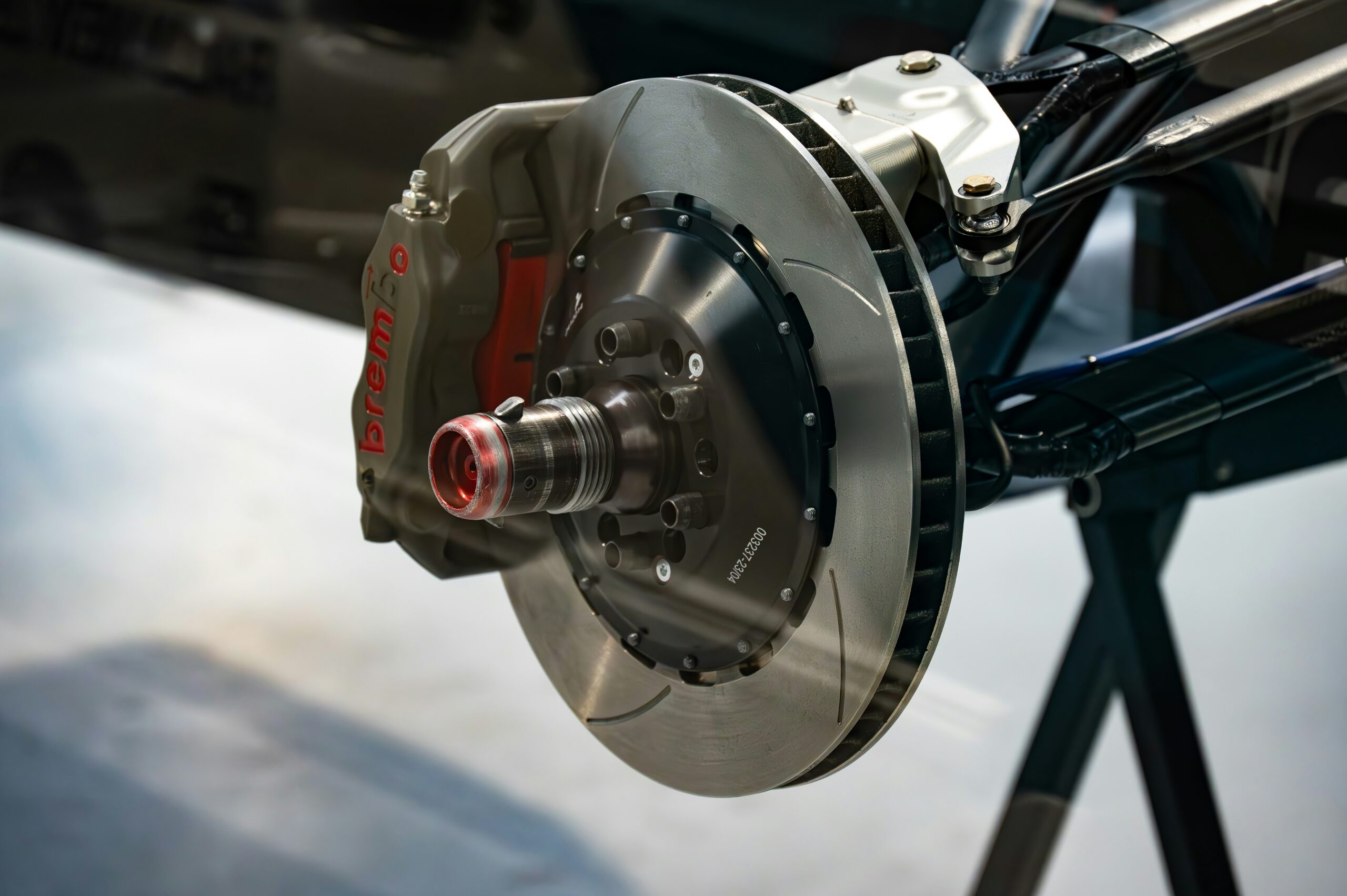
Brake rotors are the metal discs that the brake pads press against. When the pads grip the rotors, it creates friction that slows the car down.
Brake rotors can wear down, become uneven, or develop grooves over time. If the wear is minor and the rotor is still within safe thickness limits, it may be possible to machine or resurface the rotor. This means smoothing the surface so the pads can make proper contact again.
However, if the rotors are too thin, badly scored, warped, or damaged, replacement may be required. Driving with damaged rotors can reduce braking performance and cause vibrations through the pedal or steering wheel.
Brake Callipers
Brake callipers hold the brake pads and apply pressure to push them against the rotors. They are an important part of how your brakes create stopping force.
A calliper may need repair if it’s sticking, leaking or not applying pressure evenly. A sticking calliper can cause one brake to work harder than the others, which may lead to uneven wear, pulling to one side, or excess heat.
In some cases, callipers can be repaired or serviced. In other cases, they may need replacement, especially if they are badly worn or damaged.
Brake Fluid and Brake Lines
Brake fluid transfers the force from your foot on the brake pedal through the braking system. Without healthy brake fluid, the system cannot apply braking force properly.
Over time, brake fluid can absorb moisture and become less effective. This can lead to a softer brake pedal or reduced braking response. Brake fluid may need to be replaced as part of servicing to maintain safe performance.
Brake lines and hoses carry the fluid through the system. If they are cracked, leaking, or corroded, they’ll potentially need replacement. Any brake fluid leak should be checked urgently, as it can affect your car’s ability to stop safely.
Common Signs Your Car May Need A Brake Repair Or Replacement
Your car will often give you warning signs when the braking system needs attention. Some signs may point to worn parts, while others may indicate a fault that needs professional diagnosis.
Squeaking, Squealing or Grinding Noises
A squeaking or squealing sound when braking can be an early sign that your brake pads are wearing down. Some brake pads are designed to make noise when they get close to replacement, acting as a warning for the driver.
Grinding is usually a more serious sign. It may mean the brake pads have worn down so far that the protective friction material is no longer doing its job. As a result, harder brake components can press directly against the rotors, which can reduce braking performance and cause further damage. If you hear a grinding noise when braking, it’s best to have your car inspected as soon as possible.
These sounds can be easy to dismiss at first, but they are often one of the clearest signs your car needs attention. For more guidance on warning sounds, read our guide on car noises you shouldn’t ignore.
Vibrations or Pulsing When Braking
If you feel vibrations through the brake pedal or steering wheel when slowing down, it may indicate uneven brake rotor wear. This can make braking feel less smooth and may become more noticeable at higher speeds. A mechanic can inspect the rotors, pads, and related components to identify whether your brakes need repairing or replacement.
Reduced Braking Response
If your brakes feel less responsive than usual, take longer to stop, or require more pressure on the pedal, you’ll need to get them checked as soon as possible. Reduced braking response can be caused by worn brake pads, old brake fluid or a leak in the system.
A soft or spongy brake pedal can also suggest an issue with the brake fluid or air in the braking system. As braking performance is directly linked to driver safety, any noticeable changes to the brake pedal should be inspected promptly.
Pulling To One Side When Braking
If your car pulls to one side when you brake, it may mean one side of the braking system is working differently from the other. This can happen because of uneven brake wear, calliper issues, tyre problems, or suspension-related concerns.
Pulling to one side can affect control, especially in wet weather or emergency braking situations. A routine car service can help identify whether the issue is brake-related or caused by another part of the car.
When Should You Get Your Car Brakes Checked?
You should have your brakes checked during regular servicing, before long drives, or any time you notice any changes in braking performance. Don’t wait for your brakes to stop working for you to get them properly checked by a professional mechanic.
Having routine maintenance and regular checks can give you confidence knowing that your brakes are working properly, while also preventing small issues from turning into expensive repairs.
Book A Car Brake Service With Ultra Tune
Brake repair and brake replacement both play an important role in keeping your car safe. The key is knowing which one your car needs and acting before the issue becomes more severe.
At Ultra Tune, our experienced mechanics can inspect your braking system, identify and explain the issues without any jargon, and recommend the right next steps for your car. Whether your car needs new brake pads, rotor checks, fluid attention, or a broader inspection, our team is here to help you make an informed decision.
If you’ve been noticing even the smallest indicators that your brakes aren’t working as they should, book a service online or find your nearest Ultra Tune today.
Taking care of your brakes early can help ensure safety, avoid larger repair costs, and keep your car ready for the road.