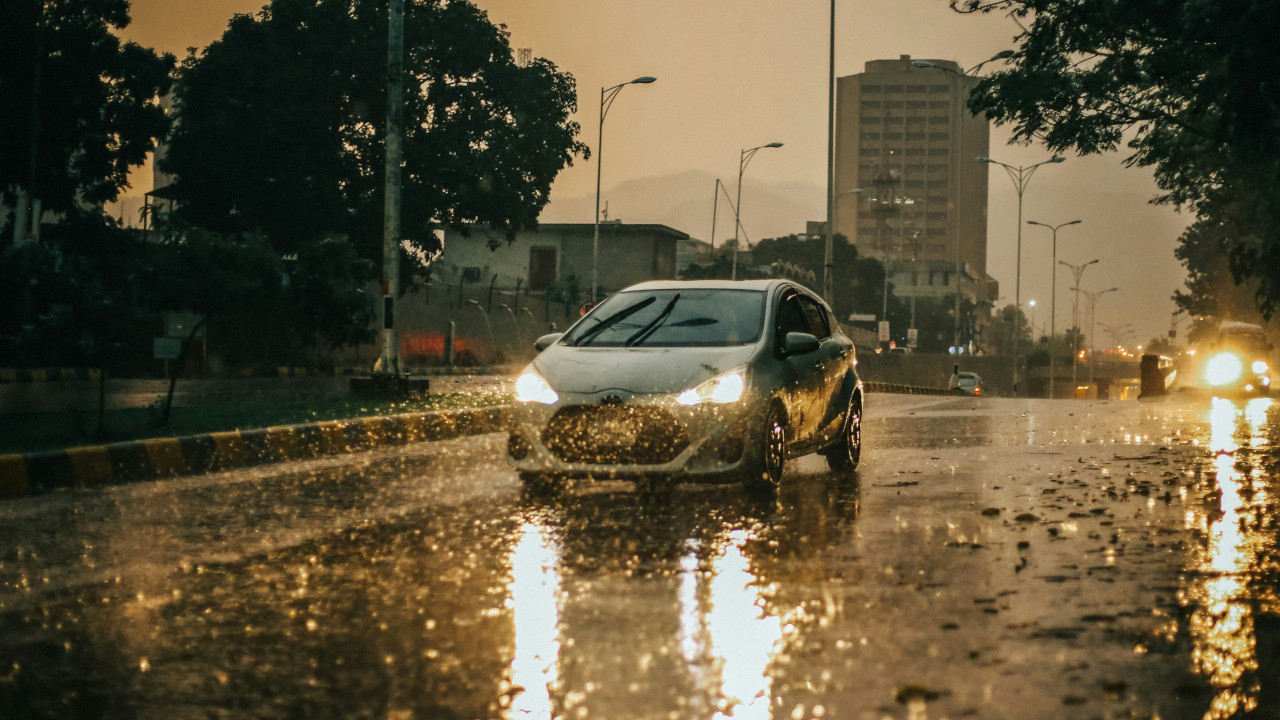
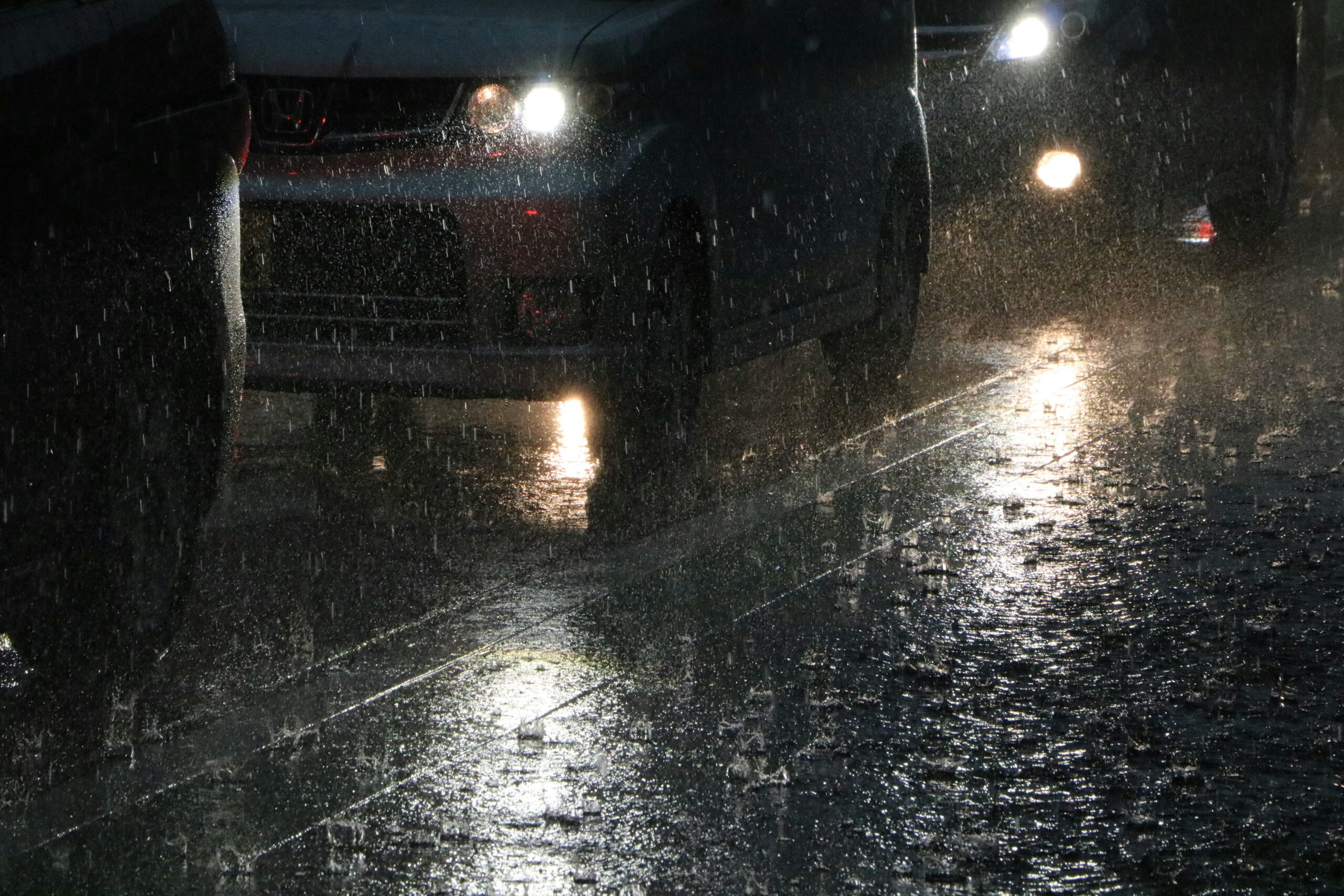
The cold weather can make your daily drives more challenging, especially when the roads are wet, visibility is reduced, and as temperatures drop. While most drivers focus on driving slowly and making full use of their headlights, your tyres are just as important to staying safe on the road.
Your tyres are the only part of your car that stays in direct contact with the road surface. When the road conditions are cold and wet, they need to work harder to maintain grip, support braking, and help your car respond properly when you steer. If they’re worn, underinflated, or damaged, driving can become much riskier.
In this guide, we’ll explain how cold and wet weather can affect your tyres, what to look out for, and the simple steps you can take to protect your tyres throughout winter.
The Biggest Risks Of Driving On Wet Roads
Wet roads easily reduce your tyres’ grip on the surface, making it more difficult for your car to brake, turn, or maintain control.
One of the biggest risks is longer stopping distances. When water sits on the road, your tyres need to push it away so the rubber can stay in contact with the surface. If the tread is too thin or worn, it can struggle to clear water effectively, making braking feel less responsive.
Another common risk is aquaplaning, which happens when a layer of water builds up between the tyre and the road, causing them to lose grip. When aquaplaning happens, your steering might feel lighter or less responsive, which can also cause your car to slide.
Wet road conditions can also make potholes, uneven road surfaces, and road markings more dangerous. Sudden braking, harsh acceleration, or sharp turns can increase the chance of losing traction. This is why it is important to leave more space between your car and the car ahead, reduce speed in heavy rain, and make sure your tyres are in good condition before driving.
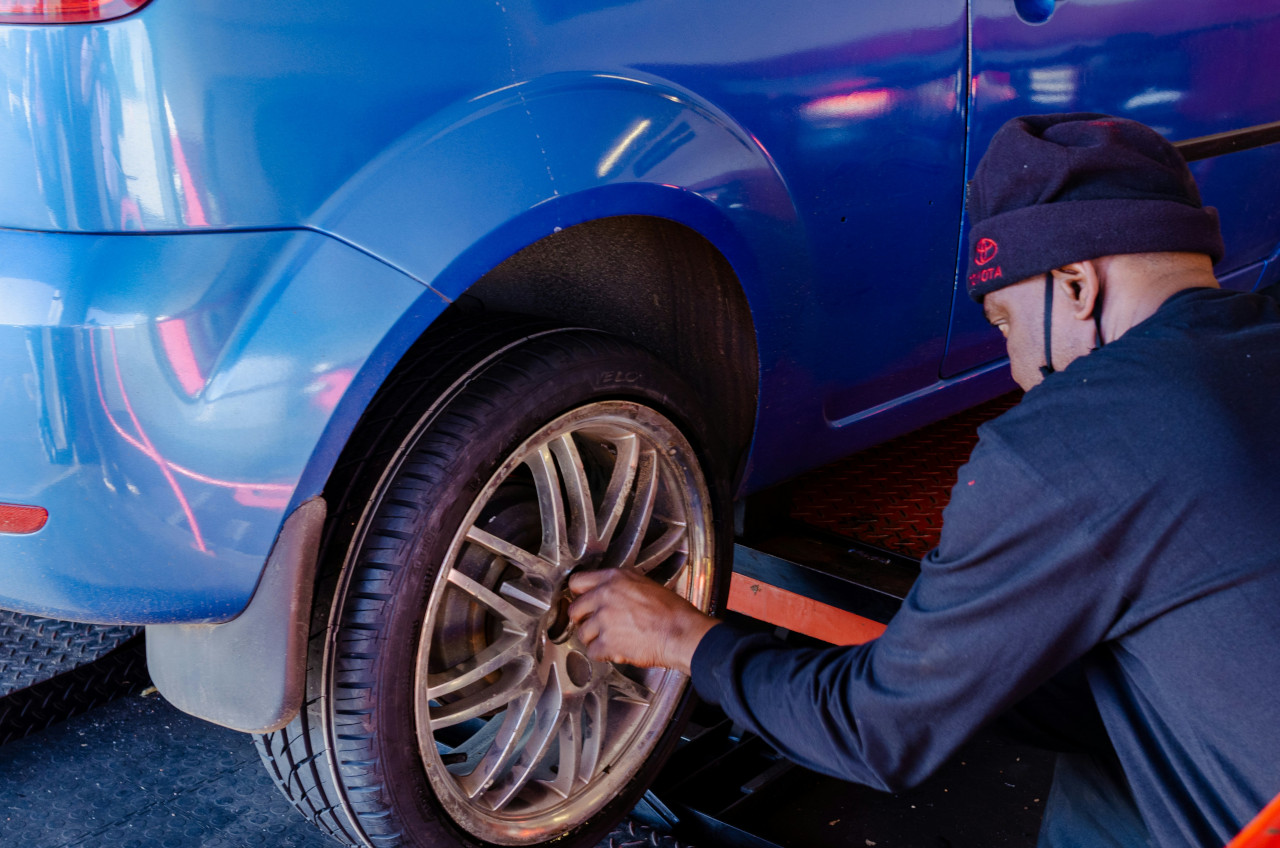
A regular tyre service can identify worn or damaged tyres before they become a bigger safety concern.
Why Your Tyre Tread Depth Matters
Your tyre tread is the patterned rubber surface that meets the road. It is designed to create grip and move water away while you drive. In wet conditions, this becomes even more important.
When tyres have good tread depth, the grooves can channel water away and help maintain contact with the road. As they start to wear down, the grooves become shallower and less effective. This can reduce grip, increase stopping distances, and make it harder to control the car in heavy rain.
In Australia, the legal minimum tyre tread depth is generally 1.5mm across the tread pattern. However, waiting until they reach the legal limit isn’t the safest approach, especially if you regularly drive in wet conditions. Many drivers choose to replace them earlier if they are noticing reduced traction, uneven wear, or changes in how the car handles.
Low tread depth can also increase the risk of aquaplaning. The less tread your tyres have, the harder it becomes for water to escape from underneath the tyre. This means your car may lose grip more easily when driving through puddles or on roads with standing water.
How To Check Your Tyre Tread Depth
Checking your tyre tread is a simple habit that can help you spot problems early. Start by looking for the tread water indicators built into the grooves of the tyre. These are small raised sections of rubber that sit between the tread blocks. If the tread is level with these indicators, it is a sign that they may need a replacement.
You can also use a tyre tread depth gauge for a more accurate measurement. This small tool measures the depth of the grooves and can help you keep track of how much tread is left.
When checking, look across the full width of the tread, not just the centre. Uneven wear on the inner or outer edge may point to other issues, such as incorrect tyre pressure, wheel alignment problems, or worn suspension components.
How Cold Temperatures Can Affect Tyre Pressure
As the temperature drops, the air inside your tyres contracts, which can cause them to become underinflated. Even a small pressure drop can affect how your car handles. Underinflated tyres have more contact with the road, which increases rolling resistance. This can further strain the engine, increase fuel use, and cause them to wear faster.
However, checking your tyre pressure regularly is one of the easiest ways to maintain tyre safety and performance. It’s best to check when the tyres are cold. Their recommended pressure can usually be found on a sticker inside the driver’s door, in the owner’s manual, or sometimes inside the fuel flap.
Don’t forget to check your spare tyre as well. It’s easy to overlook, but it can make a big difference if you need it during a roadside emergency.
Preventative Steps To Protect Your Tyres Before Driving In Wet Conditions
A few simple habits can help your tyres perform better throughout winter and reduce the risk of unexpected issues on the road.
Start by checking your tyre pressure at least once a month and before longer trips. Keeping tyres inflated to the correct pressure helps them wear more evenly and improves grip, braking, and fuel efficiency.
It’s also important to constantly monitor for any signs of damage. Look for cracks, bulges, cuts, or objects stuck in the tread. Damage to the sidewall or tread can become a serious hazard and put you and other drivers on the road at greater risk.
Try to avoid harsh driving where possible. Heavy braking, fast acceleration, and quick cornering can place extra strain and make it easier to lose traction in the rain. Slowing down, leaving extra stopping distance, and braking gradually will keep you and other drivers safe on the road, while also extending your tyre’s lifespan.
Keep Your Tyres Prepared This Winter With Ultra Tune
Cold and wet weather can make worn or poorly maintained tyres more noticeable, especially when you need to brake quickly or drive through rain. Keeping an eye on tread depth, tyre pressure, and visible tyre condition can help reduce the risk of losing grip or any unexpected issues on the road.
At Ultra Tune, we understand that driving in these conditions can place extra pressure on your car. Our experienced mechanics can inspect your tyres, check for uneven wear, and provide transparent advice on what your car needs to stay safe and reliable.
Whether you’re preparing for a road trip in winter, noticing any changes in handling, or simply want peace of mind, our team is here to help.
To keep your tyres ready for the season, book a service at your nearest Ultra Tune service centre today.