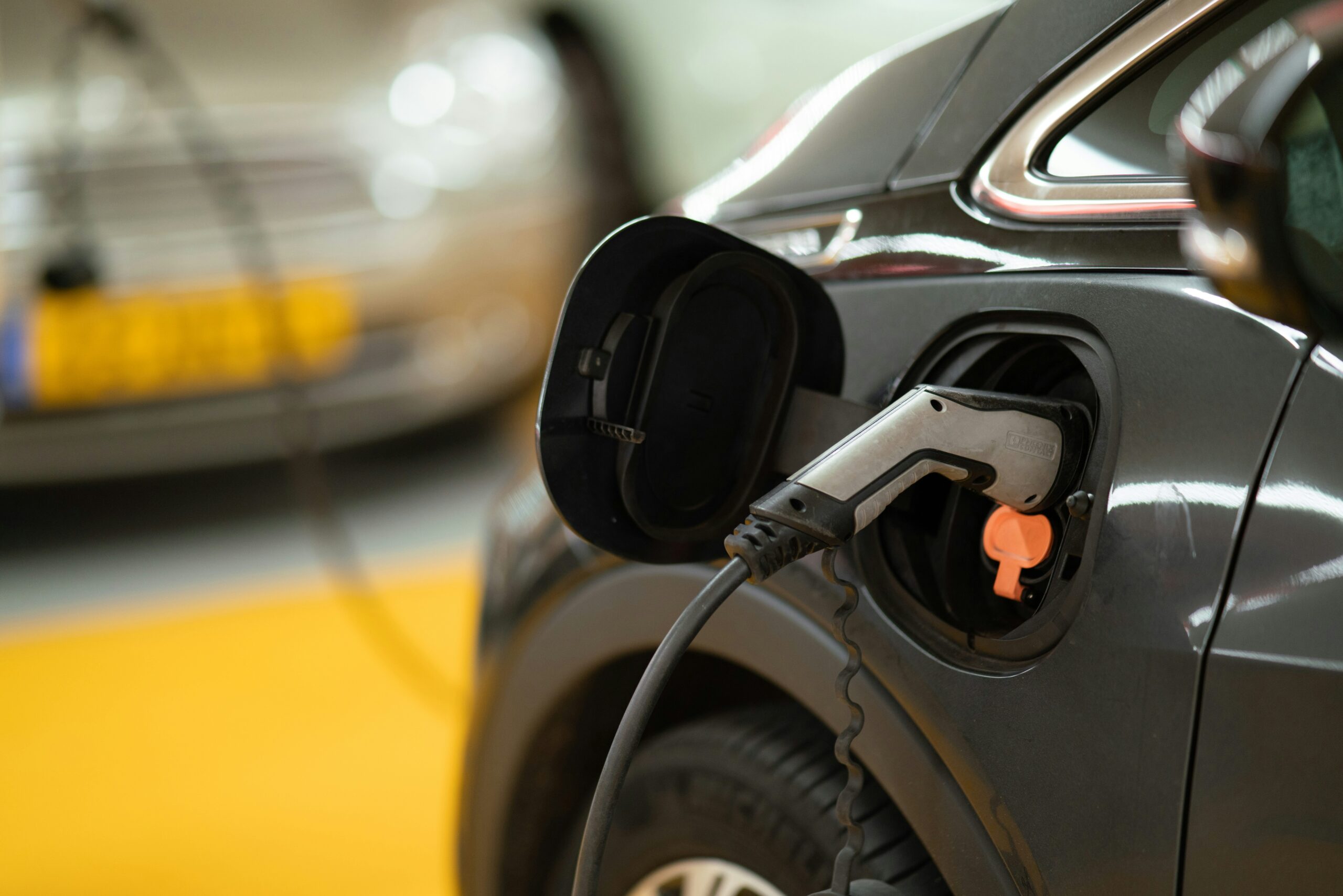
Electric vehicles are becoming an increasingly common sight on Australian roads, but there’s still a sense of uncertainty about what owning and maintaining an EV actually involves.
Since EVs do not have a traditional petrol or diesel engine, they generally have fewer moving mechanical parts. However, that does not mean they are maintenance-free. An electric vehicle still relies on important systems such as the battery, brakes, tyres, suspension, and electronics, all of which need regular checks to help keep the car safe and reliable.
In this guide, we’ll explain what is involved in an electric car service, how EV maintenance differs from petrol or diesel vehicles, and what you can do to help keep your EV performing at its best.
Do EVs Need Regular Servicing
Yes, EVs still need regular servicing, even though they do not require many of the traditional maintenance tasks associated with petrol or diesel engines.
A fully electric vehicle does not need engine oil changes, spark plug replacements or fuel filter servicing. However, other parts of the car still experience normal wear and tear.
Regular EV servicing can include checking the battery system, brakes, tyres, cooling systems and other electrical components. It also gives the technician the opportunity to identify developing issues before they affect performance or safety.
The exact servicing schedule will depend on the make and model of your EV, so it’s important to follow the manufacturer’s recommended service intervals.
What Is Included In An Electric Car Service?
The exact work included in an electric car service varies between manufacturers and models, but there are several important systems that technicians commonly inspect.
Battery Health and Cooling Systems
The high-voltage battery is one of the most important components in an electric vehicle. It stores the energy used to power the electric motor and directly affects the driving range and vehicle performance.
During servicing, technicians may inspect the battery system for warning signs, check related cooling systems, and make sure the battery is operating within its intended temperature range.
EV batteries often use thermal management systems to keep them from becoming too hot or too cold. In simple terms, this system helps maintain the battery at a suitable operating temperature so it can perform efficiently and reliably.
A noticeable drop in driving range, unusual battery warnings or charging problems may indicate the battery or a related system needs further investigation.
Brakes and Regenerative Braking
EVs use the same type of brakes that petrol and diesel-powered cars do, with the inclusion of a regenerative braking system.
Regenerative braking allows the electric motor to help slow the vehicle while sending some of that energy back to the battery. Because the motor does part of the braking work, the physical brake pads may sometimes wear more slowly than they would in a conventional car.
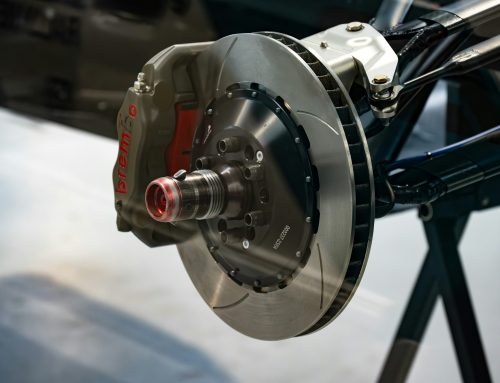
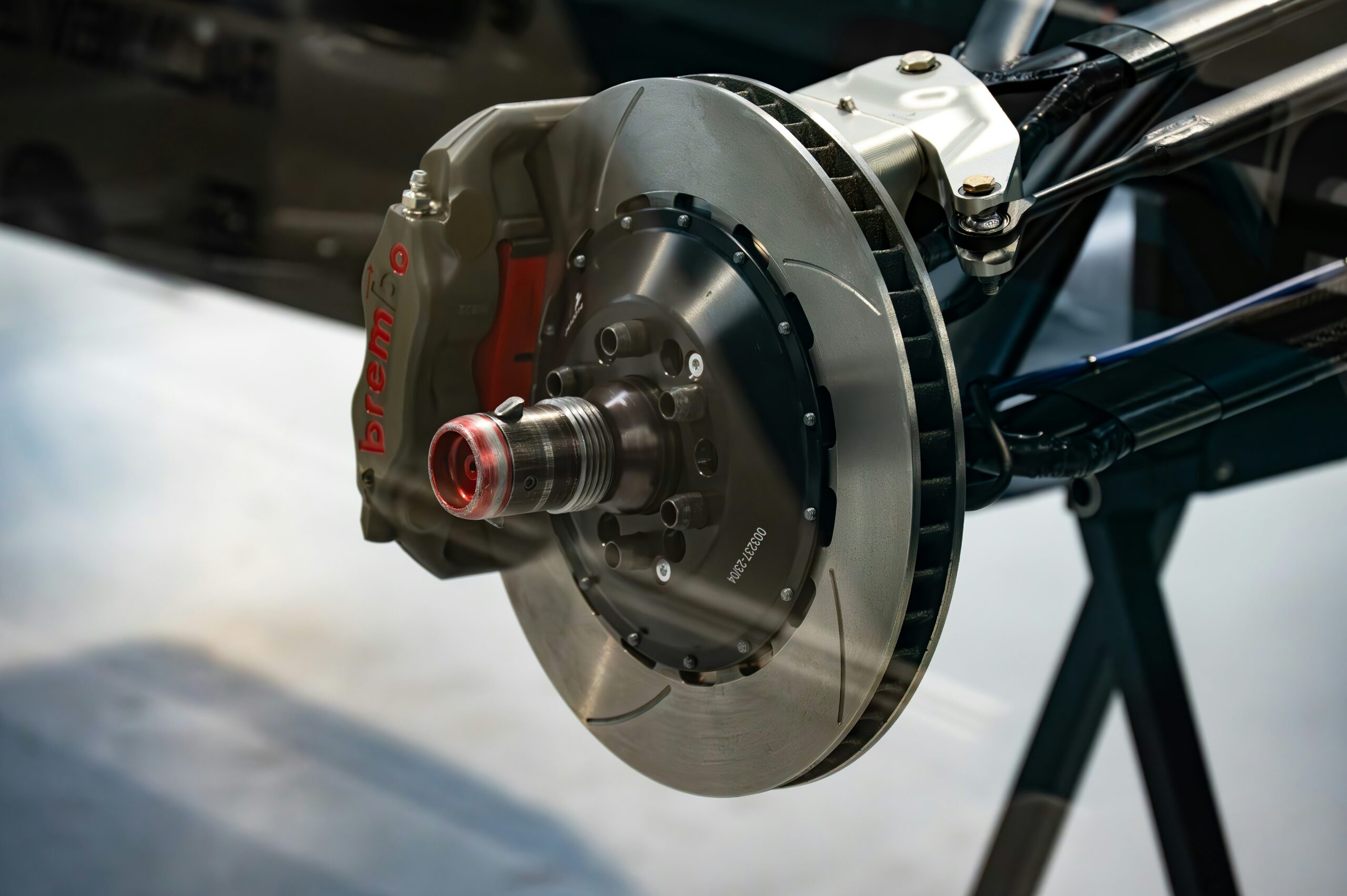
However, that does not mean the brakes can be ignored. Brake pads, rotors, callipers and brake fluids still need to be inspected. In some cases, smaller components may actually need extra attention as they’re used less frequently.
Any changes in braking response, unusual noises or vibrations should be inspected by a qualified technician.
Tyres, Suspension and Wheel Alignment
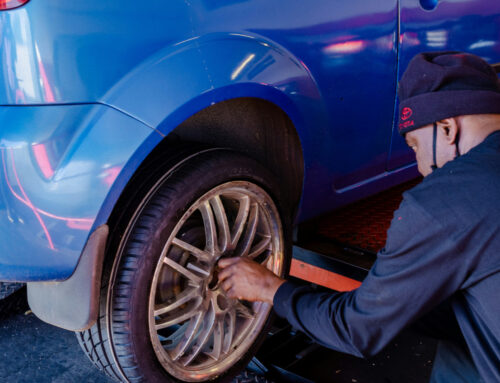
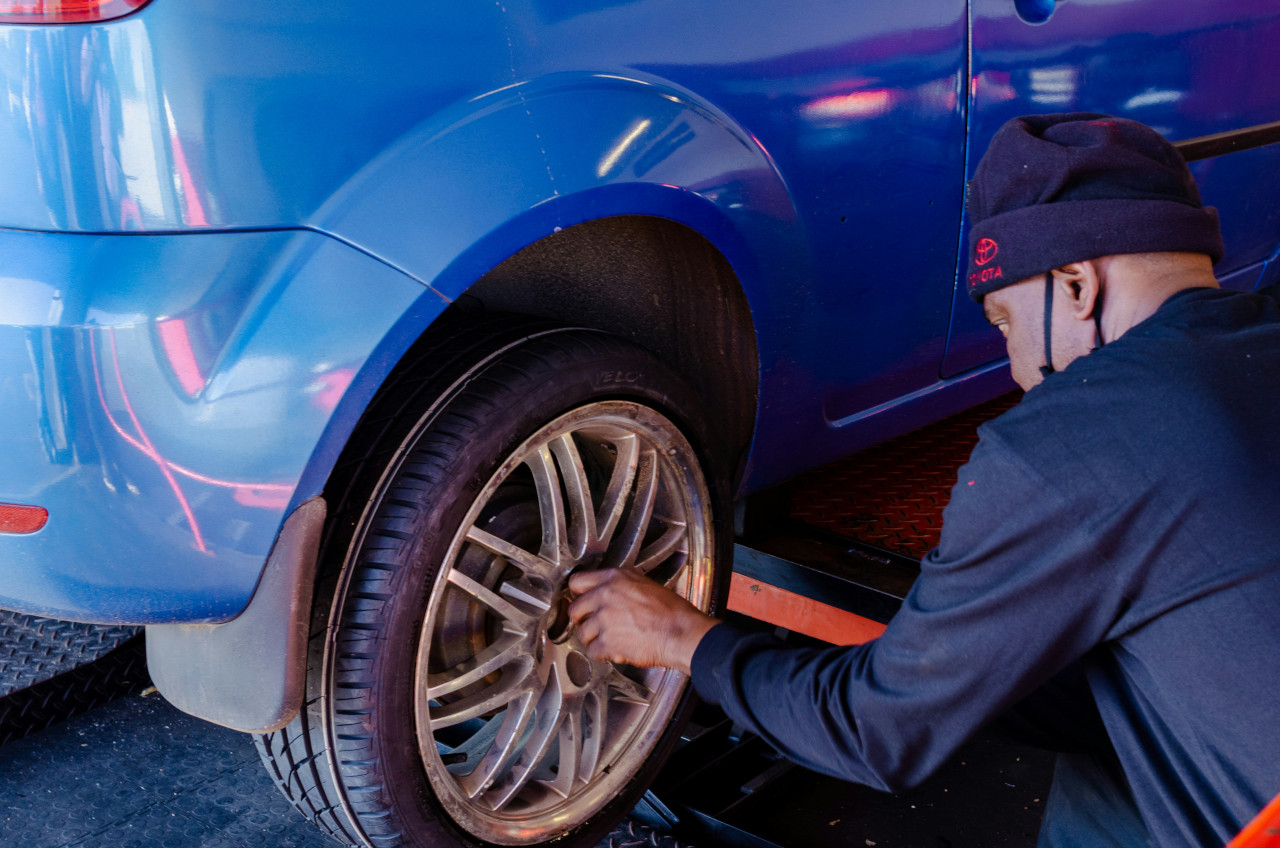
Tyres are particularly important on electric vehicles because EVs can be heavier than comparable petrol or diesel cars due to the battery pack. They can also deliver power very quickly, which may contribute to tyre wear depending on how the car is driven.
Regular checks should include tyre pressure, tread condition and uneven wear. Keeping tyres correctly inflated helps maintain handling, efficiency and driving range.
Suspension and wheel alignment should also be checked, especially if the car begins pulling to one side, feels unstable or shows unusual tyre wear.
Fluids, Filters and Electrical Systems
Although electric cars do not require engine oil, they still use other fluids and filters.
Depending on the vehicle, this may include coolant for the battery and electrical systems, brake fluids, and cabin air filters.
Electrical systems, lights, sensors and low-voltage batteries may also be checked during servicing. The smaller 12-volt battery found in many EVs performs important functions such as powering accessories and helping activate the high-voltage system.
Keeping these systems in good condition is important for maintaining the overall reliability of the vehicle.
How Is EV Maintenance Different From Petrol or Diesel Cars?
The biggest difference is that an electric vehicle has fewer traditional engine components.
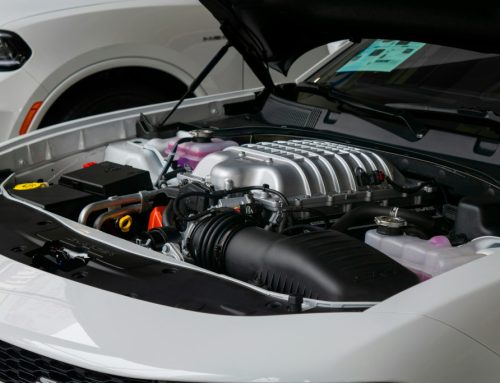
Petrol and diesel vehicles rely on internal combustion engines that require engine oil, filters, spark plugs, belts and other components that wear over time. Fully electric vehicles do not have many of these components, which can reduce some routine maintenance requirements.
However, EVs introduce other systems that need specialised knowledge, particularly the high-voltage battery and electrical drivetrain.
| Maintenance Area | Electric Vehicle | Petrol/Diesel Vehicle |
|---|---|---|
| Engine oil | Not required for a fully electric drivetrain | Requires regular oil and filter changes |
| High-voltage battery | Key component that may require system checks | Not applicable |
| Brakes | Regenerative braking may reduce some wear | Conventional brakes handle most braking |
| Tyres | Weight and instant torque may influence wear | Wear depends on vehicle and driving habits |
| Cooling systems | May cool the battery and electrical components | Mainly used for the engine |
| Filters and fluids | Uses selected fluids and cabin filters | Uses a wider range of engine-related fluids and filters |
While EVs may require fewer traditional engine-related services, professional maintenance is still just as important. EV repairs can also require specialised equipment and training because technicians may be working around high-voltage electrical systems.
How Often Should You Service An Electric Car?
There is no single service interval that applies to every EV. The correct schedule may depend on the manufacturer, model, and mileage. Some EV manufacturers recommend inspections at set kilometre intervals, while others focus more heavily on time-based servicing.
The safest approach is to follow the schedule listed in your owner’s manual or service documentation.
Even if your EV seems to be running perfectly, routine checks are still worthwhile. Tyres, brakes, suspension and fluids can wear gradually without any obvious warning signs.
If you’re unsure about when your EV is due for servicing, an experienced EV mechanic can help you understand the servicing requirements for your particular make and model.
Get Your EV Serviced With Ultra Tune
At Ultra Tune, our experienced technicians can help with routine vehicle checks and maintenance while making the process easy to understand. Whether you’re new to EV ownership or simply want to stay on top of your car’s maintenance schedule, our team can help you determine what your car needs.
You can select your car make or model to learn more about the servicing options available, book a service online or find your nearest Ultra Tune for professional support.
Keeping up with regular EV maintenance can protect your car’s performance, support its long-term reliability, and give you greater confidence every time you get behind the wheel.