Your car will usually give you some warning when something isn’t quite right. It might be a strange noise when you brake, a steering wheel that starts shaking, or a warning light on the dashboard. The difficult part is knowing what those signs actually mean.
This is why it’s important to have problems checked rather than guessing at the cause and hoping they go away. Here’s a look at some of the most common types of car repairs, the warning signs to look out for, and when it’s time to have your car checked by a mechanic.
Common Types of Car Repairs to Remember
Car repairs cover a lot more than replacing worn parts. Modern vehicles have mechanical, electrical and computer-controlled systems that all need to work together.
Here are some of the more common repairs and maintenance jobs a mechanic may deal with.
Engine Repair Services
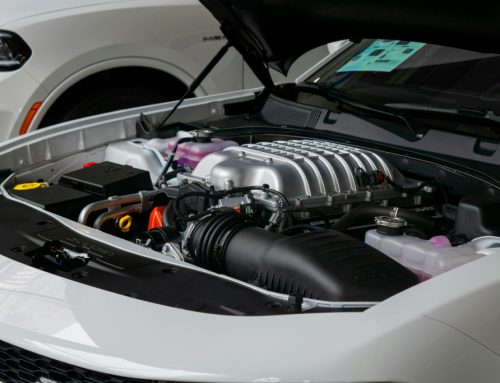
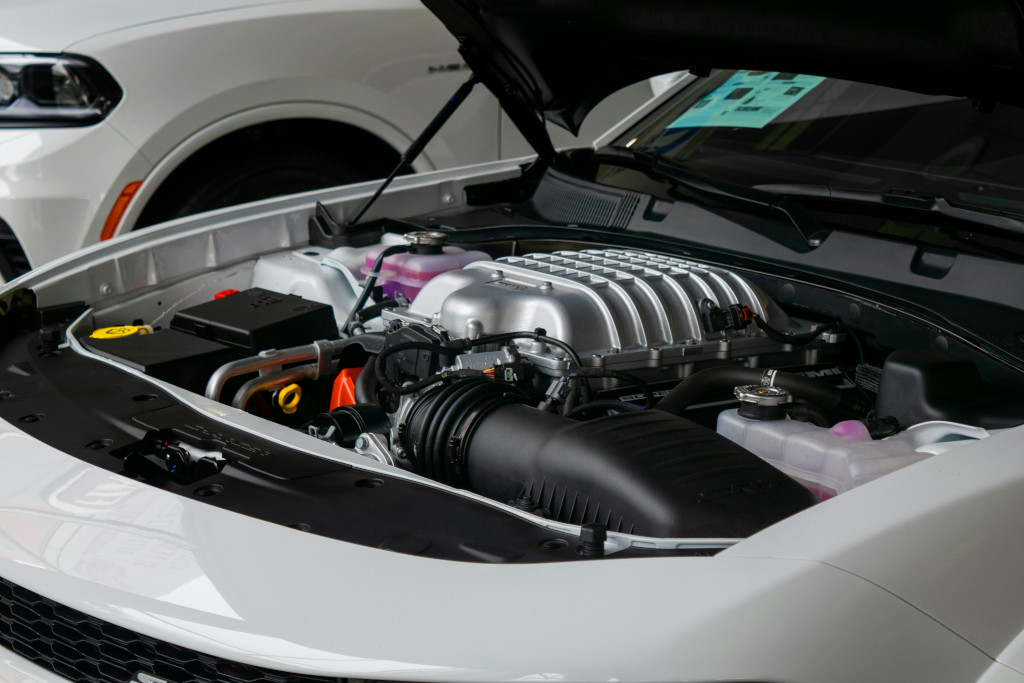
 The engine is one of the most complicated parts of a vehicle, so engine problems can range from relatively minor issues to major repairs. Signs that something may be wrong include:
- Unusual knocking, ticking or rattling noises
- Loss of power
- Rough idling
- Excessive exhaust smoke
- Poor fuel economy
- Difficulty starting
- An engine warning light
- Oil or coolant leaks
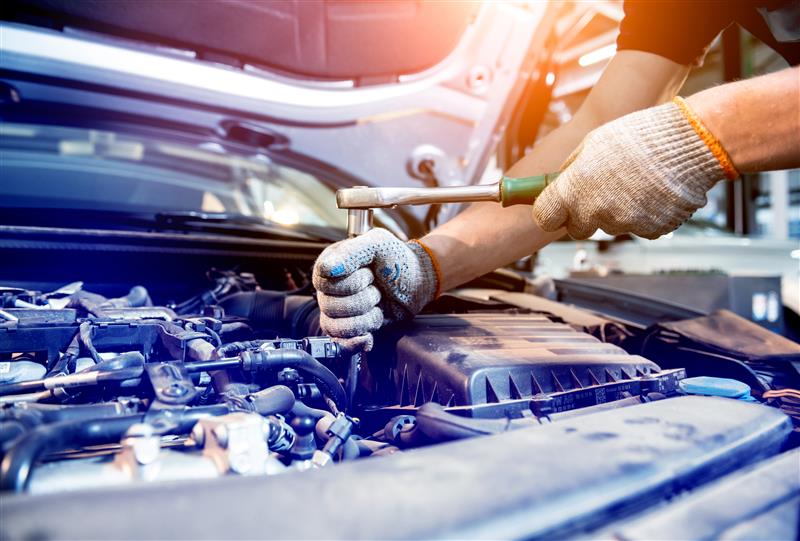
A mechanic can inspect the vehicle and use diagnostic equipment where necessary to help identify the cause rather than simply replacing parts and hoping the problem disappears.
Car Brake Services & Repairs
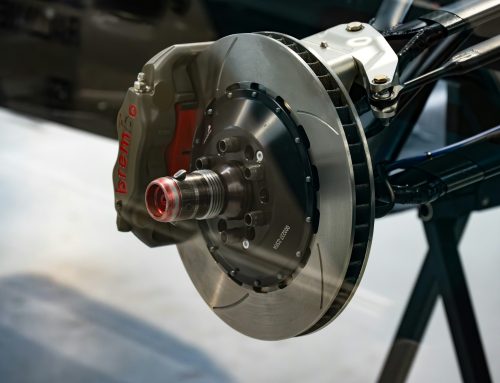
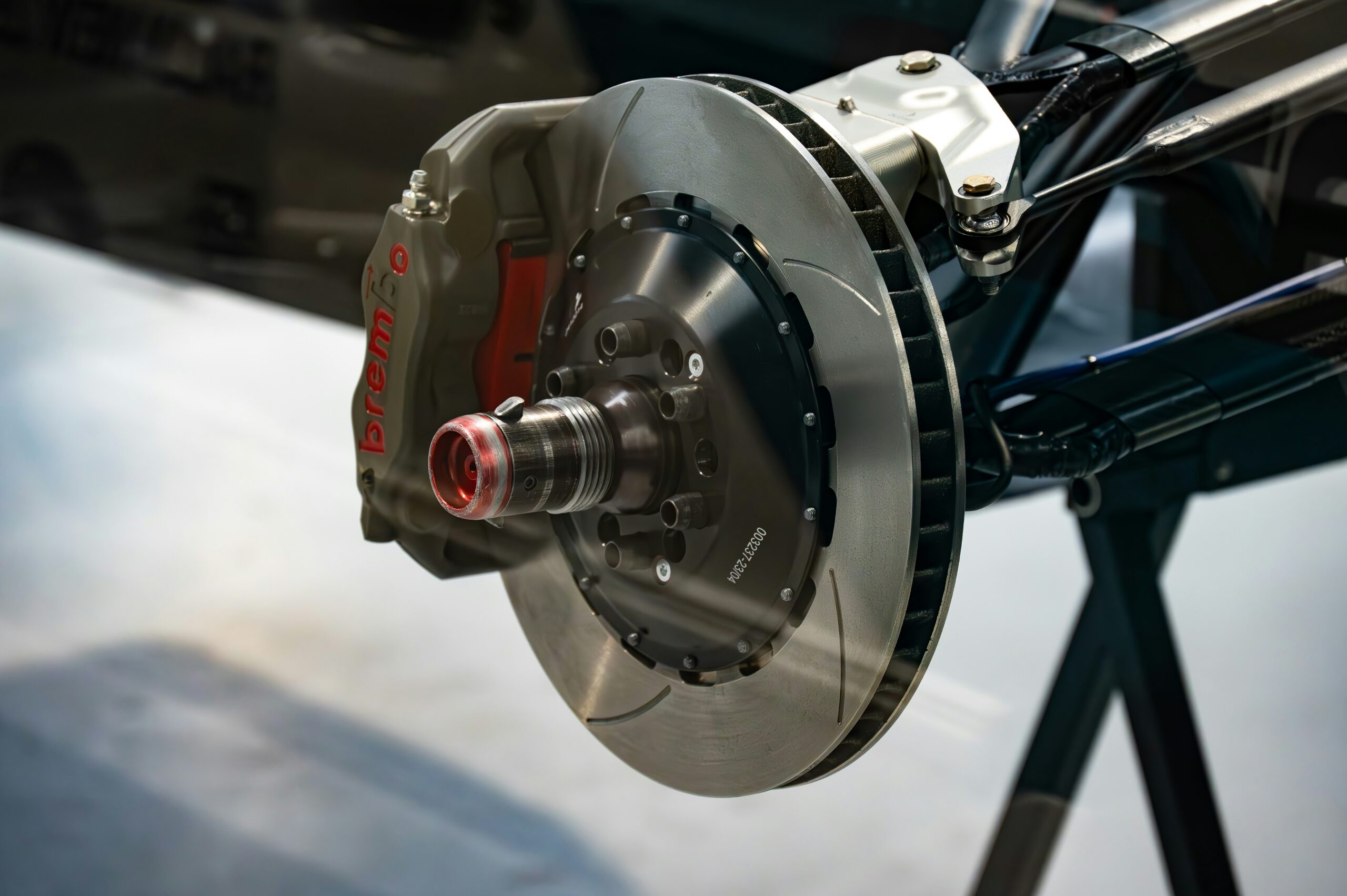
 Brake pads and other components wear down over time. You might notice squealing or grinding, a brake pedal that feels different, the vehicle pulling when braking, or a longer stopping distance.
Brake inspections can identify worn pads, discs and other components before a relatively straightforward repair turns into a bigger one. If your brakes suddenly feel significantly different or you have difficulty stopping, don’t keep driving the vehicle as normal and have it checked immediately.
Car Battery Replacement Services
 A car that won’t start doesn’t automatically mean you need a new battery. A flat or failing battery is one possibility, but starting problems can also involve the starter motor, alternator, electrical connections or other components.
Some common warning signs include:
- The engine takes longer than usual to start
- You hear clicking when trying to start the car
- Interior or headlights appear dim
- Electrical systems behave strangely
- The battery warning light comes on
- The car needs to be jump-started repeatedly
If the battery is getting old or the car is becoming increasingly difficult to start, having the system tested can help identify the actual problem.
Cooling System Repairs
 Your cooling system helps prevent the engine from overheating. Problems with the radiator, coolant, hoses, thermostat, water pump or other components can cause the engine temperature to rise.
Signs of a cooling system problem can include:
- The temperature gauge moving higher than normal
- A temperature warning light
- Steam or smoke from under the bonnet
- Coolant leaking underneath the vehicle
- A sweet smell
- An engine that repeatedly runs hotter than usual
Don’t ignore an overheating engine. Continuing to drive an overheating vehicle can turn a cooling system problem into much more serious engine damage.
Tyre Fittings, Replacement, and Repair Services
 Tyres are your car’s contact with the road, so their condition directly affects handling and braking. Keep an eye out for:
- Low tread
- Uneven wear
- Cracks or visible damage
- Bulges
- Frequent loss of tyre pressure
- Vibrations while driving
- A vehicle that doesn’t feel stable
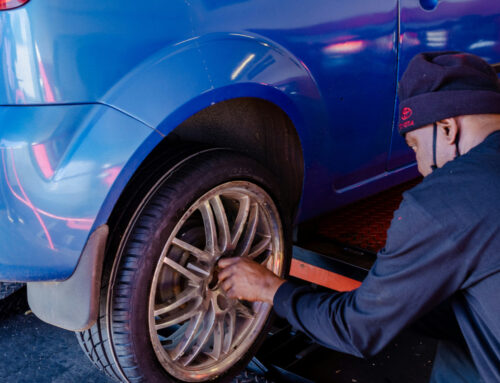
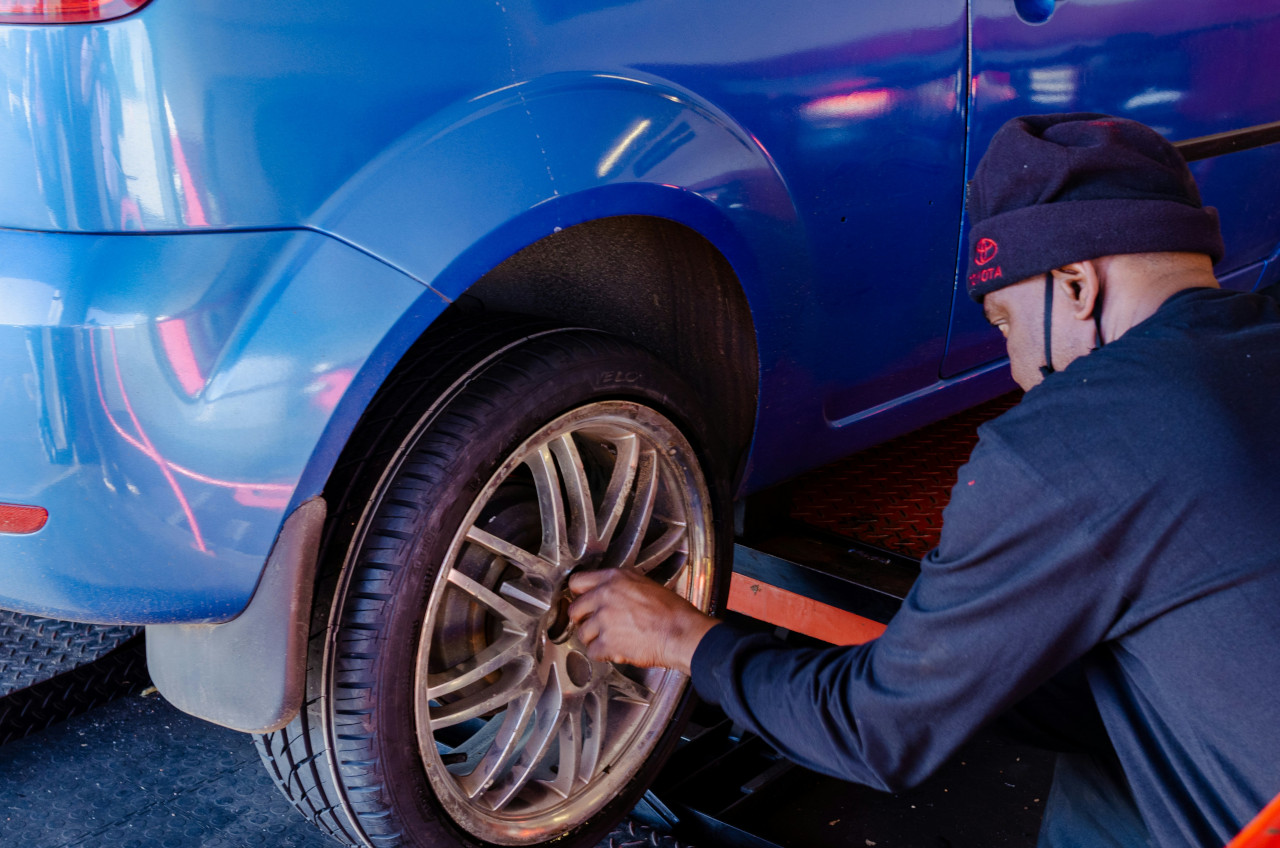
It’s crucial to keep tyre pressure at the vehicle manufacturer’s recommended level. If you notice any issues, book a tyre and wheel inspection with your local mechanic as soon as possible.
Professional Tyre Balance & Wheel Alignment Services
Wheel alignment is the adjustment of your vehicle’s wheels so they’re positioned correctly in relation to each other and the road. When the alignment is off, the car may not handle or track the way it should, and your tyres can start wearing unevenly.
Some signs of poor wheel alignment include:
- The car pulling to the left or right when driving on a straight, level road
- The steering wheel isn’t centred when travelling straight
- The vehicle feeling less stable than usual
- Uneven or unusually fast tyre wear
That’s why it’s worth having wheel alignment checked if you’ve had a significant impact or notice a change in the way the car drives.
Car Suspension Repair & Shock Absorber Services
The suspension system helps keep the tyres in contact with the road while also making the car more stable and comfortable to drive. Worn suspension can cause:
- Excessive bouncing
- Clunking or knocking over bumps
- Uneven tyre wear
- The car dipping heavily when braking
- Poor handling
- A feeling that the vehicle isn’t sitting or driving normally
Potholes and rough roads can also damage suspension components, so new noises or changes in handling are worth getting checked.
Car Air Conditioning Services & Repairs
 A car’s air conditioning system can lose performance for several reasons. You may notice that:
- The air isn’t getting cold
- Cooling takes longer than it used to
- There are unusual smells
- The system makes strange noises
- Airflow is weak
An air conditioning inspection can help determine whether the issue is related to refrigerant, the compressor, electrical components or another part of the system.
What Kind of Repair Do I Need?
If you’re not sure what type of repair your car needs, start with what you’ve noticed while driving. The table below breaks down some possible things you might notice while driving and what could be causing it.
| Issue | Possible Causes |
|---|---|
| Squealing when braking | Worn brake pads |
| Grinding when braking | Severe brake wear/component damage |
| Car pulling to one side | Alignment, tyres or suspension |
| Steering wheel shaking | Wheel balance, tyres, brakes or suspension |
| Engine overheating | Cooling system problem |
| Check engine light | Engine/emissions/electrical fault |
| Car won’t start | Battery, starter, alternator, fuel/ignition issue |
| Air con blowing warm | Refrigerant, compressor or electrical issue |
| Clunking over bumps | Suspension components |
| Uneven tyre wear | Alignment, suspension or tyre pressure |
When Should I See a Mechanic?
Not every unusual noise means you need to stop the car immediately. But there are some problems where driving can make things worse or create a safety issue. Get the car checked immediately if you notice:
- A major change in braking performance
- Loss of steering control
- The engine is overheating
- Smoke coming from the engine bay
- A major fluid leak
- A strong fuel smell
- Severe or sudden vibration
- A flashing engine warning light
- A wheel or tyre appears damaged
- The vehicle suddenly loses significant power
If the vehicle doesn’t feel safe to drive, don’t take the risk. Depending on the problem, it may be safer to arrange roadside assistance or have the vehicle transported to a workshop.
Frequently Asked Questions
What’s the Difference Between a Car Service and a Car Repair?
A car service is generally about maintaining the vehicle and checking its condition according to the manufacturer’s recommended schedule. A car repair is about fixing a specific fault or damaged component. However, the two often overlap.
For example, during a regular service, a mechanic might discover that the brake pads are getting low, a tyre is wearing unevenly, or a suspension component needs attention. The service gives you an opportunity to identify these problems before they become more serious.
To learn the difference between a logbook service and a car service, check out our blog.
How Much Do Car Repairs Cost?
There’s no single price for a particular repair. The cost can depend on several factors, such as:
- Your vehicle’s make and model
- The age of the vehicle
- The part that needs replacing
- Whether other components have been damaged
- Labour involved
- Whether specialist diagnostic work is needed
- The parts used for the repair
For that reason, it’s better to get the vehicle inspected and receive a quote for the actual problem rather than relying on a generic repair price you find online.
Can You Repair an Older Car?
An expensive repair doesn’t automatically mean a car isn’t worth keeping. There are many different factors to consider before repairing an older vehicle, such as:
- Its overall condition
- Age and kilometres
- Any previous repairs
- How much you’ve already invested in it
- Is the current repair a one-off expense or part of a series of ongoing problems
Safety should also be part of the decision. A mechanic can give you information about what needs fixing and what other issues may be approaching, but the decision about whether to keep the car is ultimately yours.
How Often Should I Service My Car?
Generally speaking, a safe interval to have your car serviced is every six months or 10,000 kilometres, whichever comes first. However, this interval will depend on the vehicle and can be based on time, kilometres, or both.
It’s also worth having the car checked sooner if you notice unusual noises, warning lights, changes in handling or other problems between scheduled services.
Book Reliable Car Repair Services With Ultra Tune
You don’t have to know exactly what’s wrong with your car before taking it to a mechanic. If you’ve noticed a new noise, warning light, vibration, handling problem or change in performance, the important thing is to have it investigated.
Ultra Tune has more than 260 service centres across Australia and provides servicing, maintenance and repairs for a wide range of vehicle makes and models. Its technicians use modern diagnostic equipment, and the company says its services are backed by a national warranty.
If your car is due for a service or something doesn’t feel right, book a service with your local Ultra Tune centre or find your nearest location.